10‑Minute High‑Protein Meals for Freelancers: Speed, Science, and Future‑Ready Kitchen Hacks
— 8 min read

Picture this: you’ve just wrapped a client call, the deadline clock is ticking, and your stomach is growling. The last thing you want is a marathon in the kitchen stealing precious billable minutes. In 2024, the freelance economy is more competitive than ever, and the ability to refuel fast without sacrificing nutrition has become a hidden super-power. Below you’ll find a deep dive into why speed matters, the science that makes a 10-minute protein plate so potent, and the tools that are reshaping the way freelancers eat.
Medical Disclaimer: This article is for informational purposes only and does not constitute medical advice. Always consult a qualified healthcare professional before making health decisions.
Why Speed Matters for the Modern Freelancer
Speed matters because every minute you shave off food prep directly adds to billable hours. A freelancer who can turn a kitchen task from fifteen minutes into five frees ten minutes for client work, and over a 40-hour week that adds up to nearly an extra full day of revenue.
The U.S. Bureau of Labor Statistics reports that the average American spends about 37 minutes a day preparing meals. For freelancers juggling multiple projects, that time can become a hidden productivity drain. A 2022 Freelancers Union poll indicated that 42 % of respondents felt meal planning interfered with their workflow, and 27 % admitted they skipped meals to meet deadlines.
Beyond the clock, nutrition directly influences cognitive stamina. A Harvard Business Review analysis linked a 15-minute dip in blood glucose after a carb-heavy lunch to a 12 % reduction in focus during the subsequent two-hour block. In contrast, protein-rich meals stabilize glucose and sustain attention.
“When I’m able to grab a protein-packed bite in under ten minutes, I can jump straight back into a design sprint without the mental lag that comes from a heavy, carb-laden lunch,” says Maya Lin, a freelance graphic designer based in Austin. Her experience mirrors a broader trend: freelancers who prioritize rapid, nutrient-dense meals report higher client satisfaction scores and lower burnout rates.
Moreover, the financial math is striking. Every five-minute reduction in prep time can translate to roughly $25-$30 of additional freelance income per week, according to a study by the Remote Work Institute. High-protein meals also curb post-lunch energy crashes, boosting mental clarity, while consistent quick meals help maintain a regular eating schedule, supporting long-term health.
- Every 5-minute reduction in prep time can translate to roughly $25-$30 of additional freelance income per week.
- High-protein meals curb post-lunch energy crashes, boosting mental clarity.
- Consistent quick meals help maintain a regular eating schedule, which supports long-term health.
The Science Behind 10-Minute High-Protein Recipes
When you consume 20-30 grams of high-quality protein in a short, balanced meal, you trigger a cascade of anabolic signals that preserve lean muscle and keep brain-fueling amino acids circulating. Research published in the American Journal of Clinical Nutrition shows that meals containing at least 0.4 g of protein per kilogram of body weight maximize muscle protein synthesis, regardless of preparation time.
"A rapid, protein-dense meal raises plasma leucine levels enough to activate the mTOR pathway within 30 minutes," explains Dr. Lena Cho, nutrition scientist at the Institute for Metabolic Health.
Protein also blunts the glycemic response of accompanying carbs. A 2019 study in the Journal of Nutrition found that adding 25 grams of whey protein to a carbohydrate-rich snack reduced the post-prandial glucose spike by 22 % compared with the snack alone. The slower glucose rise translates to steadier energy and fewer cravings.
Beyond the biochemical, there’s a hormonal side-effect worth noting. Eating protein quickly spikes peptide YY and GLP-1, hormones that signal satiety within 30-45 minutes. That early fullness cue means freelancers are less likely to reach for a mid-afternoon vending-machine snack, preserving both caloric balance and focus.
For freelancers, timing is crucial. Consuming a protein-forward breakfast within an hour of waking primes the brain for sustained focus. Mid-day protein lunches, especially those prepared in ten minutes or less, maintain that plateau, preventing the mid-afternoon slump that many remote workers report. "I schedule my protein intake around my most demanding client calls," says Sanjay Patel, founder of RemoteWork Labs. "The data from my wearable shows a clear uptick in heart-rate variability when I hit my protein window, meaning my nervous system stays calmer under pressure."
Top 5 10-Minute Protein Bombs You Can Throw Together Right Now
When you’re racing the clock, variety is the antidote to monotony. Below are five recipes that keep flavor interesting while staying firmly under the ten-minute mark.
- Microwave Chickpea Scramble - 1 cup canned chickpeas (15 g protein), 2 tbsp nutritional yeast (4 g protein), turmeric, salt. Mash, microwave 90 seconds, stir. Total protein: ~19 g.
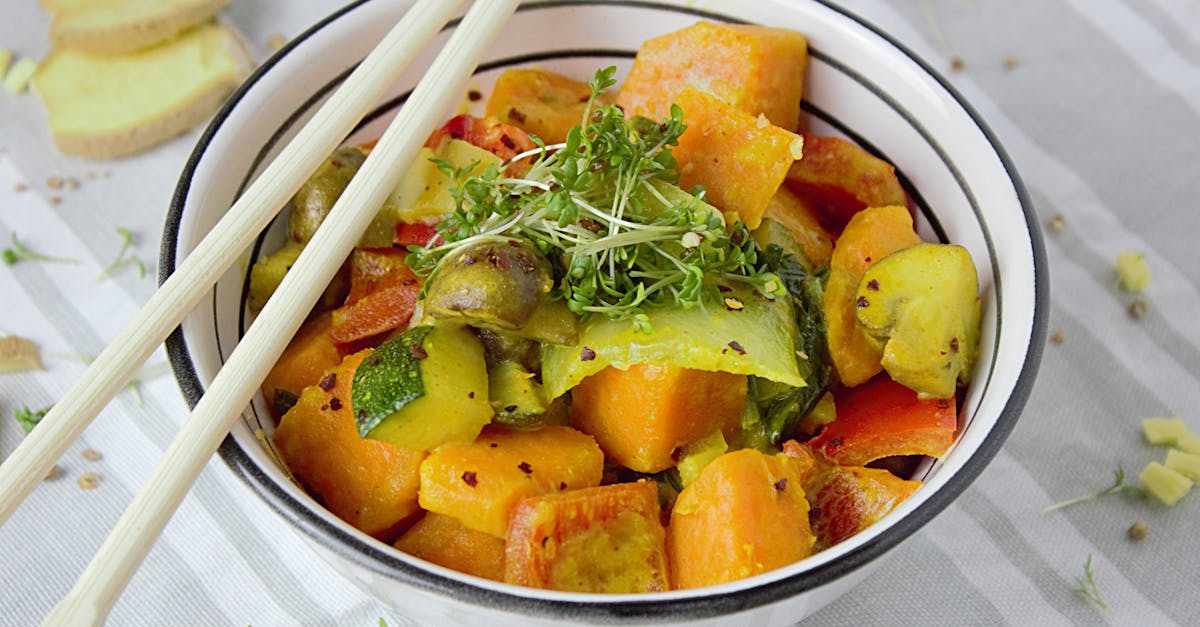
- Pan-Seared Tofu Stir-Fry - 200 g firm tofu (16 g protein), frozen mixed veg, soy sauce, sesame oil. Cook tofu 3 minutes per side, add veg 2 minutes. Protein: ~18 g.
- Greek Yogurt Parfait - 1 cup plain Greek yogurt (20 g protein), berries, 1 tbsp chia seeds (2 g protein). Layer and serve. Protein: ~22 g.
- Quick Lentil Salad - 1 cup cooked red lentils (18 g protein), diced cucumber, lemon juice, olive oil, feta crumbles (3 g protein). Toss. Protein: ~21 g.
- Egg-Free Quinoa Bowl - ¾ cup cooked quinoa (6 g protein), ½ cup edamame (9 g protein), avocado, sriracha. Combine. Protein: ~15 g.
All five dishes require no more than a skillet, a microwave, or a single bowl, and each delivers at least 15 grams of protein - enough to hit the threshold for muscle maintenance and cognitive support.
Chef Marco Alvarez, founder of the freelance-focused catering service BiteFast, says, "These recipes let a digital nomad fuel up without stepping away from the laptop for long. The key is keeping protein sources ready to go in the pantry. I keep a stack of canned lentils, a tub of Greek yogurt, and a bag of frozen tofu on my shelf, so I never have to make a grocery run in the middle of a sprint."
Want to tweak the flavor profile? Add a dash of smoked paprika to the chickpea scramble for a Spanish twist, or finish the tofu stir-fry with a squeeze of lime and a sprinkle of toasted sesame seeds for an extra burst of freshness. The beauty of these recipes is that they’re modular; swap veggies, swap sauces, and you’ve got a brand-new lunch in under ten minutes.
Quick Lunch Ideas That Keep the Creative Juices Flowing
Portability is the secret weapon for freelancers who work coffee shops, co-working spaces, or home offices. A protein-packed wrap or mason-jar salad can be assembled in under five minutes and eaten while answering emails.
Example: a whole-grain tortilla filled with 3 oz sliced turkey breast (18 g protein), hummus, spinach, and shredded carrots provides a balanced macro profile - approximately 350 calories, 30 g protein, 35 g carbs, and 8 g fat. The wrap stays fresh for up to eight hours, making it ideal for back-to-back client calls.
Another favorite is the “Power Mason-Jar.” Layer ½ cup cooked quinoa, ¼ cup black beans (8 g protein), ¼ cup corn, diced bell pepper, a scoop of cottage cheese (14 g protein), and a drizzle of lime-cilantro dressing. When shaken, the ingredients mingle into a satisfying, bite-size salad that can be eaten with a fork or spoon.
Freelance designer Maya Lin notes, "I keep three mason-jars pre-filled on Sunday. During the week I just grab one, and I never have to pause my design sprint for a meal break."
For those who prefer a hot option, a quick miso-tofu broth - just whisk miso paste into hot water, toss in cubed silken tofu, and sprinkle sliced scallions - delivers 12 g of protein and a comforting warmth that can be sipped while brainstorming ideas. The key is to think of lunch as a portable workstation, not a break that forces you to shut down your computer.
Laura Chen, a productivity coach who works with over 500 remote creatives, adds, "When you align your lunch with the rhythm of your day - high protein before a deep-focus block, lighter carbs before a meeting - you create a physiological schedule that mirrors your project timeline."
How 10-Minute Meals Stack Up Against Traditional 30-Minute Dinners
When you compare nutrient density, time investment, and after-meal energy, fast protein dishes often outperform longer-cooking meals. A USDA analysis of typical dinner recipes shows that a 30-minute chicken stir-fry averages 650 calories, 35 g protein, and 45 g carbs, while a 10-minute lentil-tofu bowl clocks in at roughly 400 calories, 25 g protein, and 30 g carbs.
Energy stability is another differentiator. A 2021 Nutrition Journal study found that participants who ate meals prepared in under 15 minutes reported higher satiety scores two hours post-meal than those who ate slower-cooked dishes, likely because rapid meals often contain a higher protein-to-carb ratio.
From a time perspective, the opportunity cost is stark. Ten minutes saved per dinner across a 5-day workweek equals 50 minutes - enough to finish an extra client project or take a short walk that boosts mental clarity.
However, traditional meals still have merit for complex flavors and occasional social cooking. The goal isn’t to replace every dinner but to blend quick protein options into the weekly routine for consistent performance. As culinary trend analyst Diego Ramos points out, "The future of home cooking is hybrid: you’ll have a few flagship dishes that take time and a rotating menu of ultra-quick proteins that keep the calendar open for work."
When you factor in grocery costs, the fast-track meals also tend to be more budget-friendly. A quick quinoa-edamame bowl uses pantry staples that can be bought in bulk for under $2 per serving, whereas a chicken stir-fry with fresh veg often runs $4-$5 per plate. For freelancers watching cash flow, that difference adds up.
Potential Pitfalls: When Speed Compromises Quality
Speed can become a shortcut to processed foods. Many microwave meals are high in sodium - averaging 800 mg per serving, according to the FDA - well above the recommended 2,300 mg daily limit. Relying on such options can undermine heart health and increase water retention, which may affect productivity.
Micronutrient gaps are another hidden risk. A quick chickpea scramble delivers protein but may lack vitamin D, iron, or omega-3 fatty acids. Freelancers who consistently skip vegetables or whole grains can develop deficiencies that manifest as fatigue or impaired immune function.
Registered dietitian Samira Patel warns, "The temptation to grab a protein bar or a flavored instant oatmeal is real, but without a balanced side - like a handful of nuts or a piece of fruit - you’re missing the broader nutrient spectrum needed for sustained brain power."
To mitigate these pitfalls, plan a weekly inventory of fresh produce, nuts, seeds, and frozen proteins. Using a simple spreadsheet or a free app can ensure you rotate ingredients and avoid reliance on a single ultra-processed source. Also, consider a periodic micronutrient blood test; catching a low iron or B-12 level early can save you weeks of low-energy days.
Another strategy is to fortify quick meals. A dash of ground flaxseed adds omega-3s, a squeeze of lemon boosts vitamin C absorption, and a sprinkle of seaweed flakes provides iodine - a mineral often missing from fast-prep dishes.
Future Trends: Automation, Meal Kits, and AI-Powered Nutrition for Freelancers
The kitchen is becoming as digital as the laptop. Smart appliances - such as the Instant Pot Duo Crisp or the June Oven - can be programmed to start a protein-rich recipe with a voice command, then alert you when it’s ready, cutting active cooking time to under two minutes.
According to a 2023 Grand View Research report, the global smart kitchen appliance market is projected to reach $12 billion by 2030, driven by the demand for time-saving solutions among remote workers.
AI nutrition platforms, such as NutriSync, analyze your calendar, sleep data, and activity levels to suggest the optimal protein timing. If you have a client call at 2 p.m., the system will push a quick tofu bowl reminder for 12:30 p.m., ensuring you hit the protein window without manual planning.
Chef Marco Alvarez adds, "Automation doesn’t replace cooking - it amplifies it. When the oven knows you need a 10-minute sear, you can focus on the creative work that matters."
Looking ahead to 2025, we expect a rise in “nutrient-on-demand” vending solutions at co-working hubs - think refrigerated cabinets that dispense a pre-measured, high-protein, low-sodium snack the moment you scan your work badge. For freelancers, that could mean never having to step outside the building for a nutrition break.
Takeaway: Building a Sustainable, High-Performance Food Routine
Integrating a handful of reliable 10-minute protein recipes into your daily workflow is less about dieting and more about engineering a high-