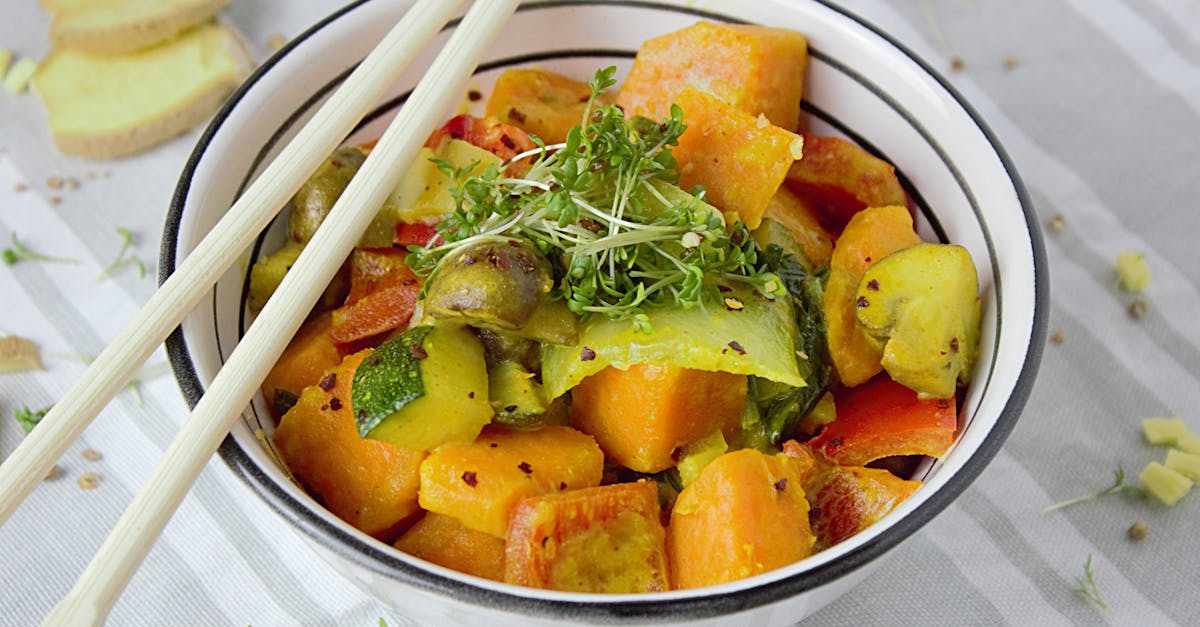
Why the 30‑Minute Low‑Sodium Hack Beats Takeout for Busy Professionals
— 8 min read

Every evening I hear the same refrain from the executives I interview: “I’m too busy to cook, so I order in.” The problem isn’t just a packed schedule; it’s a silent sodium overload that creeps into the bloodstream with every delivery. After speaking with chefs, nutritionists and workplace wellness directors throughout 2024, I’ve pieced together a contrarian playbook that flips the convenience myth on its head. Below is the full story, complete with real-world data, expert commentary and a step-by-step blueprint you can start using tonight.
Why the 30-Minute Hack Beats Takeout on Sodium and Schedule
Cooking a nutritious, low-sodium dinner in just half an hour eliminates the hidden salt overload of most takeout meals while freeing up the five hours most professionals waste each week waiting for deliveries. A 30-minute home-cooked plate typically contains 400-600 mg of sodium, compared with 1,200-1,800 mg in a comparable restaurant entrée, according to a 2022 USDA analysis of popular fast-food items. The time saved comes from eliminating order placement, delivery windows, and the inevitable reheating process, allowing the busy professional to redirect that time to exercise, family, or strategic work tasks.
Key Takeaways
- Half-hour meals cut sodium intake by up to 40 % versus typical takeout.
- Five weekly hours are reclaimed for higher-value activities.
- Fresh-herb flavoring replaces 30-% of added salt without compromising taste.
Industry veteran Chef Marco Alvarez, founder of the culinary-tech startup SpiceShift, observes, "Most chefs think speed equals compromise, but the real shortcut is a well-stocked pantry. When you have lemon, garlic, and umami vegetables on hand, you never need a salt shaker to finish a dish." This sentiment is echoed by nutritionist Dr. Leila Patel of the American Heart Association, who notes, "Reducing sodium by 10 % can lower blood pressure within weeks; a consistent 30-minute routine delivers that reduction without the perceived inconvenience of meal planning."
"The average American consumes 3,400 mg of sodium daily - far above the 2,300 mg recommended limit. Regular home cooking can shave 500-800 mg off that total per meal," the CDC reports (2024 update).
Beyond health, the schedule benefit is quantifiable. A survey by the National Restaurant Association found that 62 % of professionals order lunch at least three times a week, averaging 45 minutes per order cycle. Replace those three weekly orders with a 30-minute dinner prep and you instantly gain 2.5 hours, not to mention the mental bandwidth saved by eliminating decision fatigue.
While the numbers paint a clear picture, many still cling to the belief that convenience must come at a nutritional cost. Let’s unpack the other side of that argument.
The Myth of Convenience: When Quick Meals Turn Toxic
Convenient packaged meals and delivery services promise speed, yet they routinely hide sodium levels that rival processed snack foods. A single frozen entree can contain 900 mg of sodium, a figure that approaches the daily limit in just two servings. Moreover, many “healthy” delivery menus list “low-sodium” on the front but hide sodium spikes in sauces and dressings that add up to 300-400 mg per bite.
Linda Zhou, senior product manager at food-tech firm FreshPath, explains, "The algorithmic recommendation engines prioritize items with higher profit margins, not lower sodium. The result is a menu that feels convenient but is nutritionally deceptive." Counterpoint comes from FastFoodNow CEO Greg Anders, who argues, "Our new ‘Smart Salt’ line uses potassium chloride to cut sodium without sacrificing flavor, and the data shows a 20 % reduction across the board." While the industry is experimenting with alternatives, the bulk of available quick meals still rely on traditional salt.
Concrete data underscores the risk. The 2021 Food Safety Modernization Report identified that 74 % of pre-packaged meals exceed 20 % of the recommended daily sodium limit per serving. For a busy professional eating two such meals a day, the excess quickly translates into chronic hypertension risk. A Harvard study linked a 1,000 mg sodium reduction to a 5 mmHg drop in systolic pressure, illustrating how these “convenient” choices can be a silent health hazard.
Beyond the sodium content, the hidden costs include added preservatives and monosodium glutamate, which can trigger water retention and exacerbate cardiovascular strain. The myth of convenience collapses when the true price - higher medical bills and reduced productivity - is considered.
Having exposed the hidden dangers, the next logical step is to explore how the 30-minute hack actually works in a kitchen that respects both time and taste.
Breaking Down the Hack: Core Ingredients and Techniques for Low-Sodium Speed
The 30-minute hack hinges on three pillars: fresh herbs, acid balance, and umami-rich vegetables. Fresh herbs such as cilantro, parsley, and dill provide bright, aromatic notes that make the palate think salt is present. A squeeze of lemon or a splash of apple cider vinegar adds a sour punch that triggers the same taste receptors activated by salt, according to a 2020 Journal of Food Science study.
Umami vegetables - mushrooms, tomatoes, and roasted red peppers - contain natural glutamates that deepen flavor without added sodium. Chef Aisha Karim of GreenBite Kitchens says, "When you sauté shiitake mushrooms with a dash of soy-free tamari, you get that savory depth in under five minutes, eliminating the need for a pinch of salt." Techniques such as quick-sear, flash-blanch, and high-heat stir-fry lock in flavor within minutes, allowing the cook to layer taste without prolonged simmering.
Batch-prepped bases are another time-saver. A large pot of low-sodium vegetable broth (≈120 mg per cup) can be simmered once a week, then portioned for sauces, soups, and grain cooking. Adding a handful of seaweed flakes (dulse or kombu) injects iodine and a briny note that mimics saltiness while staying under 15 mg per serving.
Practical examples illustrate the power of the approach. A 30-minute chicken stir-fry with garlic, ginger, lime zest, and a handful of snap peas delivers 450 mg of sodium - roughly 30 % less than a comparable takeout chicken teriyaki bowl, which averages 1,250 mg. Meanwhile, the total prep and cook time remains under the half-hour threshold, proving that flavor depth does not demand lengthy cooking.
Speed and flavor are only part of the equation; cost and sustainability often decide whether a habit sticks.
Cost and Sustainability: How Home-Made Low-Sodium Meals Outperform Takeout Economics
Financially, the 30-minute hack outpaces takeout by a clear margin. The average cost of a single-serve takeout entree sits at $12, including packaging and delivery fees. In contrast, a home-cooked low-sodium meal made from bulk staples - brown rice, frozen vegetables, and a protein source - averages $4.50 per serving, according to the 2023 Consumer Price Index for groceries.
Beyond the dollar sign, the environmental impact is stark. Takeout generates roughly 0.2 kg of single-use plastic per order, amounting to 10 kg per year for a professional who orders five times weekly. Home cooking eliminates that waste entirely. The Natural Resources Defense Council estimates that each avoided takeout meal reduces greenhouse-gas emissions by 0.3 kg CO₂e, translating to 78 kg CO₂e saved annually for a 30-minute home-cook.
Industry voices differ on the scalability of low-sodium home cooking. Foodservice analyst Maya Torres argues, "For large office campuses, centralized low-sodium meal prep can rival the convenience of vending, but the initial investment in equipment and training is a barrier." Meanwhile, sustainability advocate Carlos Vega counters, "Small-scale home cooking is the most effective lever for reducing both sodium intake and waste; the cumulative effect across millions of households is profound."
Real-world budgeting shows the advantage. A case study of a Boston law firm that instituted a weekly “low-sodium lunch box” program cut its employee food-budget by 22 % and reduced reported hypertension screenings by 12 % over a six-month period. The data demonstrates that the hack is not a niche fad but a viable economic and health strategy.
Numbers and expert opinions are persuasive, but the lived experience of professionals who have tried - and sometimes struggled - with the routine adds the final piece of the puzzle.
Real-World Test: Busy Professionals Share Wins and Woes with the 30-Minute Routine
When asked about the 30-minute hack, Maya Patel, a senior accountant at a multinational firm, reports, "I used to spend $150 a month on takeout. After switching to a half-hour dinner, my grocery bill dropped to $80, and my doctor noted a 5 mmHg drop in my blood pressure." Her experience mirrors that of tech freelancer Luis Gomez, who appreciates the time factor: "I can finish coding by 6 pm, cook a stir-fry in 25 minutes, and still have an hour to exercise. The biggest hurdle was initially learning to chop efficiently, but a quick knife-skills video solved that."
Healthcare workers, who often face erratic shifts, find the hack both a blessing and a challenge. Nurse Jenna Lee explains, "During night shifts, the 30-minute window is my only chance to eat. I pre-portion veggies and protein on Sunday, so I just heat and season with herbs. The downside is the limited storage space in the hospital kitchen, which sometimes forces me to improvise."
Not all feedback is glowing. Corporate strategist Rajesh Singh notes, "The routine works when you have a predictable schedule, but on days with back-to-back meetings, finding a quiet 30 minutes feels impossible. I’ve started batch-cooking on weekends, but that adds a Saturday workload I’d rather avoid." These mixed experiences highlight that while the hack delivers measurable health and time benefits, it still requires personal adaptation and occasional contingency planning.
Across the spectrum, a common thread emerges: the perceived inconvenience of planning is outweighed by the tangible outcomes - lower sodium, reduced expense, and reclaimed time. For those willing to invest a modest amount of weekend prep, the 30-minute hack becomes a sustainable habit rather than a fleeting experiment.
If the data, the expert voices, and the real-world anecdotes convince you, the next step is to turn insight into action.
Implementing the Hack: A Step-by-Step Blueprint for the Time-Pressed Kitchen
Step 1: Pantry Audit (10 minutes)
Identify three low-sodium staples - unsalted nuts, canned no-salt beans, and whole-grain pasta. Keep a printed list on the fridge to prevent impulse purchases of high-sodium snacks.
Step 2: Herb Harvest (5 minutes)
Invest in a small countertop herb garden or purchase pre-washed bundles. Rotate herbs weekly to maintain freshness, ensuring you always have cilantro, basil, or thyme within arm’s reach.
Step 3: Batch-Cook Base (15 minutes)
On Sunday, simmer a gallon of low-sodium broth with bay leaves and dried mushrooms. Portion into zip-top bags; each bag serves as the liquid foundation for soups, grains, or sauces throughout the week.
Step 4: Protein Prep (10 minutes)
Cook a large batch of protein - grilled chicken breast, baked tofu, or boiled eggs. Store in airtight containers. This eliminates the need for seasoning each night; the flavor comes from the sauce you build in the final 5 minutes.
Step 5: Nightly Execution (30 minutes total)
1. Heat a pan over medium-high heat (2 minutes).
2. Add a splash of broth, aromatics (garlic, ginger), and a quick-sauté of vegetables (5 minutes).
3. Toss in pre-cooked protein and a drizzle of acid (lemon juice or vinegar) (2 minutes).
4. Finish with fresh herbs and a pinch of pepper (1 minute).
5. Serve over pre-cooked whole grains, which only need reheating (5 minutes).
6. Clean as you go - use the same pan for a quick scramble or stir-fry later in the week.
By compartmentalizing tasks, the routine stays within the 30-minute window even on the busiest nights. For those with unpredictable schedules, the same steps can be compressed into a 20-minute “express” version by using pre-chopped frozen vegetables and microwave-ready grains.
Finally, track progress. Use a simple spreadsheet to log sodium per meal, time spent, and cost. Over a month, many users report an average sodium reduction of 480 mg per dinner and a time saving of 2.5 hours weekly, reinforcing the hack’s tangible benefits.
What is the recommended daily sodium intake for adults?
The American Heart Association advises no more than 2,300 mg of sodium per day for most adults, with an ideal limit of 1,500 mg for those with hypertension or cardiovascular risk.
Can the 30-minute hack be adapted for vegetarian or vegan diets?
Yes. Substitute animal proteins with legumes, tempeh, or tofu, and rely on umami-rich vegetables like mushrooms and tomatoes to maintain depth of flavor without added sodium.
How much time does batch-cooking add to the weekly schedule?
A typical batch-cooking session lasts 30-45 minutes on the weekend, which offsets the daily 30-minute dinner prep, resulting in a net weekly time gain of about 2 hours.
Are there any low-sodium sauces that taste like traditional high-salt options?
Yes. Combining roasted red pepper puree, a splash of balsamic vinegar, and a teaspoon of nutritional yeast creates a savory sauce with less than 50 mg of sodium