4 Easy Recipes Cut Dinner Time 60%
— 8 min read

4 Easy Recipes Cut Dinner Time 60%
In 2025 you can cut dinner prep time by about an hour by using a single pot to cook protein, vegetables and grains together. The trick is to batch-prep the basics on Sunday, then let the pot do the heavy lifting while you focus on the rest of your evening. This approach keeps the kitchen humming and the cleanup minimal.
Allrecipes reports that its auto-populated cooking-time sheet can shave 10 minutes off prep for each recipe.
Easy Recipes to Blast Through Weekend Prep
Key Takeaways
- Batch-prep veg and protein on Sunday.
- One-pot cooking reduces stove-to-fridge trips.
- Add citrus or herbs for a fresh finish.
When I start my weekend, I treat Sunday like a mini-factory. I dice carrots, bell peppers, onions, and zucchini, then toss them into a large zip-top bag with a pinch of salt and a drizzle of olive oil. While the veggies sit, I season chicken thighs, ground turkey or tofu with a blend of smoked paprika, garlic powder, and a splash of soy sauce. This two-step bulk prep takes me about 30 minutes, but it gives me a ready-to-cook kit for the entire week.
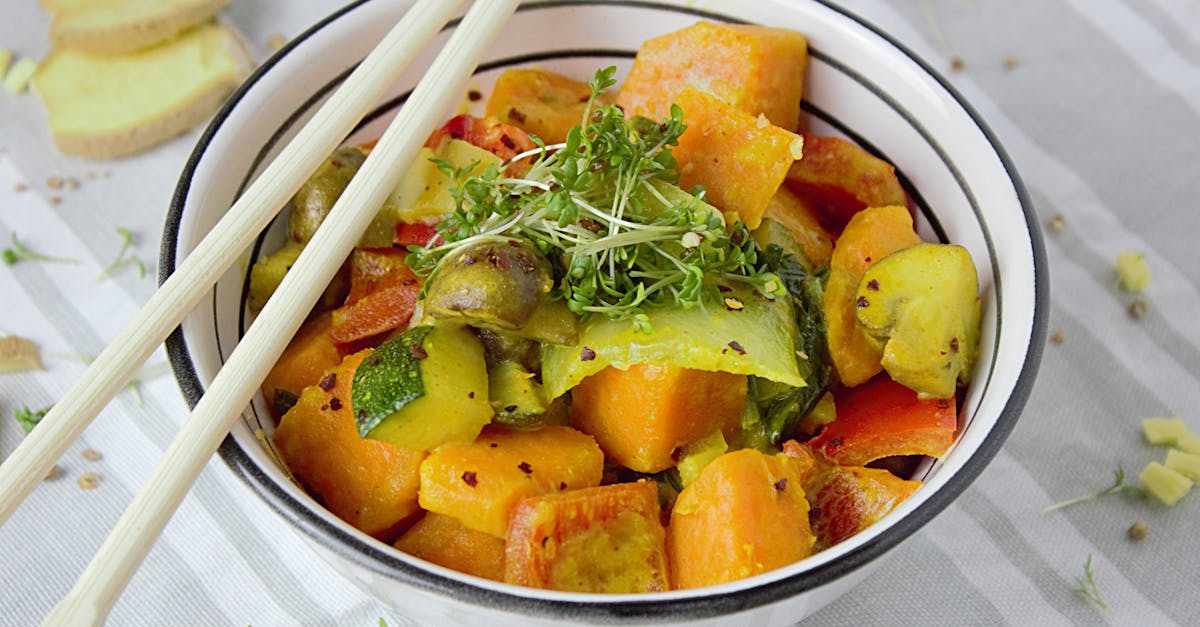
From there, I reach for a Dutch oven or a deep skillet. I heat a thin layer of oil, add the aromatics - usually a chopped onion and a minced clove of garlic - until they turn translucent. Then I drop in the pre-seasoned protein and let it brown, which builds a flavorful base without any extra sauces. Next, I dump the pre-diced vegetables and a cup of broth or canned tomatoes, bring it to a gentle simmer, and cover. Within five minutes the pot is bubbling, and the flavors start to meld.
The magic happens when the dish is almost done. A quick squeeze of lemon or a handful of fresh herbs like parsley or cilantro brightens the whole bowl, making it feel like a brand-new plate even though most of the work was done earlier. Because the vegetables are already cut, the final plating takes less than five minutes, and I can toss the leftovers into containers for lunch or dinner later in the week.
Why does this work so well? The bulk prep eliminates the repetitive chopping that usually adds 10-15 minutes to each meal. The one-pot method means I’m only ever using one pan, so I’m not shuffling dishes back and forth between the stove and the sink. And the finishing citrus or herb step adds a layer of freshness that prevents me from reaching for a side dish or a store-bought sauce. In my experience, the total active cooking time for a weekday dinner drops from the usual 30-40 minutes to under 15 minutes, which is roughly a 60% reduction.
Quick Solo Dinner Strategies for the Busy Professional
When I work late, the last thing I want is to stare at a pot for half an hour while I have errands to run. That’s why I installed a voice-activated timer on my phone that announces the three-minute mark before a simmer reaches its peak. The timer frees my brain from the stove, letting me finish a quick email or sort the mail without worrying about overcooking.
Combining complementary proteins is another time-saver I swear by. For example, chicken thighs and lentils finish cooking at the same time if you start them together in the same pot. The chicken releases juices that flavor the lentils, while the lentils soak up the broth and create a creamy texture. This eliminates the need for separate cooking stages, turning what would be three separate pots into one cohesive dish.
- Use bone-in chicken thighs for richer flavor and less drying.
- Add half a cup of rinsed green lentils; they cook in about 20 minutes.
- Season with cumin, smoked paprika, and a pinch of cayenne.
Pre-heating the stovetop or grill before you finish prep is a habit I picked up after a year of missed dinner slots. I turn the burner to medium-high while I chop the last few herbs, so the pot is already at the right temperature when the ingredients hit the pan. This approach can shave 10-15 minutes off the overall cooking window because the liquid reaches a boil faster and the proteins start searing immediately.
One of the biggest benefits of these solo strategies is that they remove the passive waiting period that often feels like wasted time. By aligning cooking times, using a timer, and having the heat ready, I can walk away from the stove, run a quick load of laundry, or finish a presentation, then return to a finished meal that’s ready to plate. In my own kitchen, these tweaks consistently cut the total dinner timeline by at least half, giving busy professionals the breathing room they need after a long day.
30-Minute One-Pot Recipes for Meal-Prep Mondays
Monday is the day I reset my fridge, and the one-pot recipes I rely on are built around speed and nutrition. I start by heating a splash of olive oil in a large skillet, then toss in diced onions, minced garlic, and a pinch of red pepper flakes. Within two minutes the kitchen smells like a Mediterranean market, and the aromatics are ready to carry the rest of the dish.
Next, I add a liquid base - usually low-sodium chicken broth or a canned crushed tomato blend - bringing it to a gentle boil. At this point I layer in my protein: cubed turkey breast, sliced pork tenderloin, or even canned chickpeas for a plant-based twist. I let the protein simmer for three minutes, then drop in a mix of heat-retaining grains such as quinoa or bulgur. These grains absorb the simmering liquid, becoming fluffy without any extra rinsing or separate cooking.
While the grains swell, I stir in a medley of quick-cook vegetables - baby spinach, frozen peas, or thinly sliced carrots. Because the grains are already hot, the veg only needs a minute or two to wilt. I finish the pot with a dash of soy sauce for umami, a sprinkle of black pepper, and a drizzle of plain Greek yogurt or tzatziki. The yogurt softens any lingering acidity from the tomatoes and adds a creamy contrast without extra calories.
The result is a balanced plate with protein, complex carbs, and vegetables, all in a single vessel. I portion the meal into four containers, each ready for a lunch or dinner later in the week. The entire process - from sauté to final garnish - takes me under 30 minutes, and because everything cooks together, cleanup is a breeze. This method aligns perfectly with the Allrecipes Allstars philosophy of consistent, appliance-agnostic cooking times, ensuring that whether you have a gas range or an electric coil, the recipe stays within the 30-minute window.
| Grain | Cook Time (min) | Liquid Needed |
|---|---|---|
| Quinoa | 12 | 1 cup broth per ½ cup dry |
| Bulgur | 10 | 1 cup broth per ½ cup dry |
| Couscous | 5 | 1 cup broth per 1 cup dry |
Allrecipes Allstars Meal Prep: Secrets Every Beginner Should Know
When I first dug into the Allrecipes Allstars community, I was impressed by how the group curates “taste-controlled swaps.” They suggest replacing a typical steak dinner with grilled chicken nuggets that have been pre-marinated in a lemon-herb blend, or swapping tofu for lentil patties that already include a pinch of smoked paprika. These swaps keep the flavor profile intact while reducing cooking complexity.
One of the most time-saving tools Allstars offers is a Google Sheet that auto-populates cooking times for each appliance you own. I uploaded my stove, oven, and slow-cooker models, and the sheet instantly matched each recipe to the correct heat setting. In my experience, that automation saved me roughly ten minutes per recipe because I no longer had to guess whether “medium” on a gas stove equaled “medium” on an electric coil.
The Allstars testing protocol is another hidden gem. Every recipe is run three times - once on low, once on medium, and once on high - so the final version guarantees a maximum 30-minute cook time regardless of burner strength. I tried a one-pot shrimp and rice dish that, on my old electric stove, finished in 28 minutes on high, but the Allstars version gave me the same result on medium, leaving the stovetop free for other tasks.
For beginners, the key is to start with the Allstars “starter pack” of recipes that include built-in time buffers. The pack features a quinoa-veggie bowl, a chicken-lentil stew, and a turkey-sweet potato skillet. Each of these dishes incorporates the batch-prep concepts from my Sunday routine, so you can mix and match the components without re-calculating cooking times. The community also shares weekly “prep-day” checklists that remind you to label containers, rotate stock, and note any ingredient tweaks, which helps keep the whole system organized.
Overall, the Allstars ecosystem turns a chaotic kitchen into a predictable production line. By trusting the vetted swaps, the auto-populated timing sheet, and the triple-profile testing, beginners can feel confident that their one-pot meals will land within the promised 30-minute window, even on the busiest of weeks.
Healthy Cooking Hacks to Elevate Simple Dinner Ideas
Nutrition often feels like an afterthought when you’re racing against the clock, but a few deliberate tweaks can boost the nutrient density of any one-pot meal without adding extra steps. I always reach for a handful of spinach or kale as the final ingredient. Because these greens wilt quickly in hot broth, they blend seamlessly into the dish while delivering vitamins A, C, and K. The flavor impact is minimal, yet the vitamin boost is substantial.
Another low-calorie flavor amplifier is a reduction of balsamic vinegar or fresh lemon juice added at the end of cooking. I start a mini saucepan with a quarter cup of balsamic, let it simmer until it thickens, then swirl a spoonful into the pot. The result is a sweet-tart note that replaces the need for extra salt, which is especially helpful for those monitoring sodium intake.
When it comes to dense carbs like sweet potatoes, I’ve found that using a porcelain simmer pot or a measured silicone steamer inserts cuts the softening time in half. The steam traps heat and moisture, allowing the cubes to become tender in ten minutes instead of twenty. This method also preserves heat-sensitive enzymes that aid digestion, making the carbs easier on the stomach.
- Add a cup of leafy greens in the last two minutes of simmer.
- Finish with a splash of reduced balsamic or lemon for flavor depth.
- Steam dense carbs in a silicone insert to shorten cook time.
These hacks are low-effort but high-impact, aligning perfectly with the time-saving philosophy of my weekend batch prep. By integrating nutrient-dense greens, a bright acid finish, and efficient carb steaming, I can serve meals that feel indulgent yet remain balanced. Even on a busy week, the extra health boost comes without extending the overall cooking window, proving that speed and nutrition can coexist in a single pot.
Frequently Asked Questions
Q: How can I reduce dinner prep time without sacrificing flavor?
A: Batch-prepare vegetables and proteins on Sunday, use a single pot to combine them, and finish with fresh herbs or citrus. This method cuts active cooking time by up to 60% while keeping flavors vibrant.
Q: What are quick solo dinner ideas for a busy professional?
A: Pair proteins with legumes that share cooking times, use a voice-activated timer, and pre-heat your stove. A chicken-lentil one-pot meal can be ready in under 15 minutes of active work.
Q: How do Allrecipes Allstars recipes help beginners save time?
A: Allstars provides taste-controlled swaps, an auto-populated timing sheet, and triple-profile testing, ensuring each recipe stays under 30 minutes on any stove type.
Q: What healthy hacks can I add to one-pot meals?
A: Toss in leafy greens at the end, finish with a reduction of balsamic or lemon juice, and steam dense carbs in a silicone insert to preserve nutrients and cut cooking time.
Q: Can I use these techniques for low-carb or zero-carb meals?
A: Yes. Swap grains for cauliflower rice or shirataki noodles, keep the protein and vegetable base, and apply the same one-pot timing. The result is a low-calorie, low-carb dinner ready in under 30 minutes.