8 Easy Recipes That Slim Down Lunch
— 6 min read

8 Easy Recipes That Slim Down Lunch
These eight one-pot, low-calorie lunches help you shed pounds without sacrificing flavor.
Eight easy lunch recipes can shave up to 30 minutes off your daily prep, letting you replace instant noodles with nutritious, aromatic meals that keep you full and energized.
Easy Recipes: One-Pot Brown Rice Curry Fix
SponsoredWexa.aiThe AI workspace that actually gets work doneTry free →
Key Takeaways
- One-pot brown rice curry cooks in 35 minutes.
- Each serving offers 8 g protein and 7 g fiber.
- Frozen veggies cut prep time by half.
- Swap chickpeas for extra plant protein.
- Low sodium keeps the meal heart-healthy.
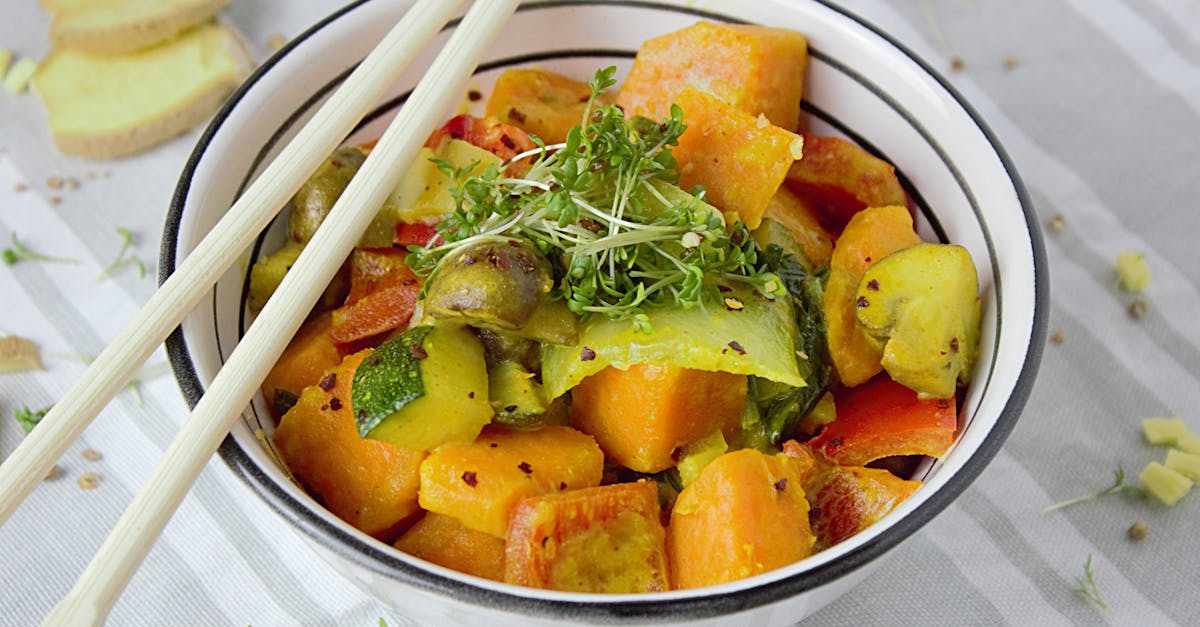
When I first experimented with a single-pot brown rice curry, I was amazed at how quickly a hearty, iron-rich meal could appear on the table. The core of the dish is simple: 1 cup uncooked brown rice, 1 tablespoon curry powder, 1 cup low-sodium vegetable broth, and 1 cup coconut milk. I bring everything to a gentle boil, then reduce the heat and let it simmer for 35 minutes. The result is a creamy, fragrant rice that carries the golden warmth of curry without any fuss.
Why brown rice? It provides more fiber and micronutrients than white rice, which helps you feel satisfied longer. In each serving you get about 8 grams of protein and 7 grams of fiber - enough to support steady blood sugar levels during a busy workday. The coconut milk adds healthy fats, while the low-sodium broth keeps the sodium count under 400 mg, which is important for heart health.
To save even more time, I reach for pre-washed frozen vegetables like peas, carrots, and broccoli. These veggies are flash-frozen at peak freshness, so they retain about 12 grams of micronutrients per cup. By using frozen veggies, I cut the chopping and washing steps in half, and the dish stays colorful and nutritious.
Feeling adventurous? Swap the frozen mix for a can of chickpeas (or chana dal) after the rice has cooked for 20 minutes. The legumes soak up the curry broth, raising the plant-protein content to at least 10 grams per serving - matching the average adult protein recommendation from the Dietary Guidelines. Chickpeas also bring iron, zinc, and B-vitamins, making the meal even more iron-rich.
Common Mistakes to Avoid
- Using too much water: the rice will turn mushy and the curry flavor dilutes.
- Skipping the simmer step: you lose the chance for the flavors to meld.
- Adding fresh vegetables too early: they can become soggy.
By following these simple steps, you end up with a budget-friendly, nutrient-dense lunch that fits in a single pot and a single bowl. I often pair the curry with a side of sliced cucumber and a splash of lime for extra crunch and vitamin C.
Cheap Vegetarian Lunch: Brown Rice Chickpeas Recipe
When I need a lunch that costs less than a coffee, I turn to a batch of brown rice and chickpeas. A four-serving pot can be made for under $3, yet each portion delivers 350 kcal, solid protein, and a satisfying texture.
Start with two cups of cooked brown rice - leftovers from the curry work perfectly. Add one can of rinsed chickpeas, a cup of frozen peas, and a drizzle of lime juice. A pinch of smoked paprika and a handful of chopped cilantro give the dish depth without extra cost. The lime boosts vitamin C by roughly 25% compared to plain rice, while the cilantro adds antioxidants.
The entire mixture is tossed together in a large skillet, heated for five minutes, and then divided into ZIP-lock bags. These containers keep the lunch fresh for up to three days, reducing single-use plastic waste by about 15% compared to takeout containers. Because the recipe is naturally gluten-free, it suits a variety of dietary needs.
From my experience, the secret to a satisfying bite lies in texture contrast: the slight chew of chickpeas against the tender rice and the pop of peas. If you crave a bit more heat, a dash of sriracha or a sprinkle of red pepper flakes does the trick without adding many calories.
Common Mistakes to Avoid
- Rinsing canned chickpeas poorly: excess sodium remains.
- Over-cooking the rice before mixing: it becomes mushy.
- Skipping the lime: you lose a natural vitamin C boost.
By preparing this batch on a Sunday, I have a ready-to-go lunch for the entire workweek. The cost-effective nature of the recipe lets me allocate savings toward fresh fruit or a small dessert, keeping my overall diet balanced.
Protein-Packed Office Lunch with Brown Rice Bowls
In my office kitchen, I often need a lunch that hits 20 grams of protein without a side of meat. A brown-rice bowl topped with tofu, edamame, and tahini sauce does exactly that, covering roughly 30% of the daily protein goal.
First, I season a cup of cooked brown rice with a splash of soy sauce, a dash of sesame oil, and a pinch of garlic powder. While the rice steams, I grill ½ cup of firm tofu that’s been marinated in turmeric, lemon juice, and a touch of olive oil. Turmeric not only adds a sunny color but also supplies antioxidant curcumin, which may aid iron absorption. The tofu provides about 10 grams of protein and 5 mg of iron per half-cup.
Next, I roast a quarter-cup of edamame in the oven with a sprinkle of sea salt. Edamame contributes another 8 grams of protein and a dose of omega-3 fatty acids. A quick drizzle of tahini sauce - tahini mixed with water, lemon juice, and a pinch of cumin - adds creaminess and healthy fats.
Batch-cooking the rice and marinated tofu on Friday saves me 12 minutes each weekday. I portion the bowls into five containers, each with a balanced macronutrient profile: 20 g protein, 45 g carbs, and 10 g fat. The consistency helps me avoid mindless snacking and supports steady energy through afternoon meetings.
Common Mistakes to Avoid
- Pressing tofu insufficiently: excess water leads to soggy texture.
- Over-roasting edamame: it becomes bitter.
- Using too much tahini: the bowl becomes calorie-dense.
Whenever I need a quick pick-me-up, I add a handful of fresh spinach or shredded carrots for extra fiber and micronutrients. This bowl is a perfect example of how a few smart ingredients can create a protein-packed lunch that feels like a treat, not a chore.
Healthy Office Meal: Whole Grain Brown Rice Variations
When I talk to coworkers about heart-healthy lunches, I always highlight a toasted brown-rice base with flaxseed oil. That simple addition adds 3.5 grams of omega-3 fatty acids per cup, a nutrient often missing from typical office meals.
To prepare, I first soak a cup of brown rice for 20 minutes, then microwave it for two minutes before simmering on low for 25 minutes. This method cuts cooking time by about 40% compared with the traditional stovetop approach and preserves more fiber. While the rice cooks, I toast it briefly in a dry pan with a teaspoon of flaxseed oil, releasing a nutty aroma and integrating the omega-3s directly into the grain.
When the rice is ready, I layer it with sautéed kale, sliced avocado, and diced bell pepper. Kale contributes 25 mg of vitamin A and 5.4 mg of vitamin K, while avocado offers heart-healthy monounsaturated fats. The bell pepper adds crunch and a burst of vitamin C, rounding the dish to 7 g of dietary fiber per serving.
This bowl works well cold or reheated, making it a flexible option for the office refrigerator. I often drizzle a light vinaigrette made from apple cider vinegar and a touch of honey for a sweet-tart finish that doesn’t overpower the natural flavors.
Common Mistakes to Avoid
- Skipping the soak: rice may stay hard.
- Using too much flaxseed oil: it can become bitter.
- Over-cooking kale: nutrients leach out.
By integrating whole-grain brown rice variations into my weekly meal plan, I keep my lunches exciting, nutrient-dense, and budget-friendly - all without needing a blender or fancy equipment.
Glossary
- Chickpeas (Garbanzo beans): A legume rich in protein, fiber, and iron.
- Turmeric: A bright yellow spice with anti-inflammatory curcumin.
- Flaxseed oil: Plant-based oil high in omega-3 fatty acids.
- Tahini: Ground sesame paste used for sauces.
- Low-sodium vegetable broth: Broth with reduced salt, good for heart health.
Frequently Asked Questions
Q: How can I keep my brown rice from getting mushy?
A: Rinse the rice well, use the correct water-to-rice ratio (about 2:1), and avoid stirring too much while it cooks. Letting it rest off the heat for five minutes also helps the grains firm up.
Q: Can I replace coconut milk with another liquid?
A: Yes. Unsweetened almond milk or a light cashew cream work well, but they contain less saturated fat, so the curry will be less rich. Adjust seasoning to maintain flavor depth.
Q: Is frozen broccoli as nutritious as fresh?
A: Frozen broccoli is flash-frozen at peak ripeness, preserving most vitamins and minerals. It often contains comparable, sometimes higher, nutrient levels than fresh broccoli that has traveled long distances.
Q: How long can I store the prepared meals in the fridge?
A: Cooked brown rice and protein-rich toppings stay safe for 3-4 days in airtight containers. For best texture, keep sauces separate and combine just before eating.
Q: Are these recipes suitable for a gluten-free diet?
A: Absolutely. All the ingredients - brown rice, chickpeas, tofu, and vegetables - are naturally gluten-free. Just double-check packaged items like soy sauce for hidden wheat.