Budget‑Friendly High‑Protein Vegetarian Meals for College Students (2024 Guide)
— 8 min read

Picture this: you’re juggling classes, a part-time job, and a social life, yet you still want nutritious meals that won’t drain your wallet. In 2024, the surge of plant-based options means you can hit a 30-gram protein target without spending a fortune on meat or dairy. Below, I break down the economics of plant protein, walk you through six student-friendly recipes, and share savvy shopping and storage hacks. Let’s turn the kitchen into a low-cost, high-protein laboratory.
Why Plant-Based Protein Makes Economic Sense for Students
Plant-based protein saves money because beans, lentils, tofu and similar foods cost far less per gram of protein than meat or dairy. For example, a cup of cooked lentils (about 198 g) provides roughly 18 g of protein for under $1, while a comparable 3-oz chicken breast delivers 26 g of protein at more than $1.50. This price gap adds up quickly for a student buying groceries weekly.
Beyond the raw cost, plant proteins require minimal cooking resources. Many legumes can be prepared in a single pot with water, reducing energy use and dishwashing time. Shelf-stable items such as dried beans, rice and canned chickpeas have long expiration dates, meaning less waste and fewer trips to the store. For a busy schedule, the ability to cook a batch once and portion it for several days is a major advantage.
Students also benefit from the nutritional versatility of plants. Combining grains with legumes creates a complete amino-acid profile, eliminating the need for expensive animal-based supplements. When paired with seasonal vegetables, the meals stay colorful, tasty and nutrient-dense while staying under a typical student budget of $30 per week.
Key Takeaways
- Plant proteins cost 30-50% less per gram than most meats.
- One-pot dishes reduce energy and cleanup time.
- Bulk buying and long-shelf items cut waste and grocery trips.
- Combining grains and legumes creates complete protein without animal products.
Now that we understand the cost advantage, let’s dive into six ready-to-cook templates that fit a tight student schedule and a tighter budget.
Template #1 - Hearty Lentil-And-Quinoa Chili
This chili uses dried red lentils and quinoa, both of which are inexpensive and protein-rich. One cup of dry red lentils (≈200 g) yields about 45 g of protein after cooking, while a half-cup of dry quinoa adds another 8 g. Together they provide over 30 g of protein per serving when the recipe is divided into four portions.
Ingredients are pantry staples: lentils, quinoa, canned tomatoes, onion, garlic, chili powder, cumin, and a splash of vegetable broth. The total cost for the entire pot is roughly $5.50, based on average grocery prices. The cooking process is simple: sauté onion and garlic, add spices, then lentils, broth and tomatoes, and simmer for 20 minutes before stirring in quinoa for the final 10 minutes.
Because the chili thickens as it cools, it stores well in airtight containers for up to five days. Reheat in the microwave or on the stovetop, and add a dollop of Greek yogurt or a sprinkle of shredded cheese for extra flavor without a big price jump. This recipe fits neatly into a student’s weekly meal-prep routine, delivering a hot, protein-packed dinner in under 45 minutes total.
Template #2 - Chickpea-Spinach Curry with Brown Rice
Chickpeas are a budget hero, offering about 15 g of protein per cup for roughly $0.80. This curry pairs them with fresh spinach, which adds iron and vitamins at a minimal cost. Cooked brown rice supplies complex carbs and another 5 g of protein per cup.
The sauce is built from pantry items: canned coconut milk, curry paste, garlic, and ginger. After heating the paste in a pan, add coconut milk and simmer for five minutes, then stir in rinsed chickpeas and let them heat through. Toss in a generous handful of spinach just before serving; it wilts in under a minute. The entire dish can be prepared in 15 minutes once the rice is pre-cooked in bulk.
Cost analysis shows the full meal for one serving runs under $2.00. Portion the rice and curry into separate containers to keep textures fresh, and you have a ready-to-heat lunch or dinner that stays tasty for three days. This quick stovetop method is ideal for students who need a nutritious, high-protein option without a long cooking session.
Template #3 - Tofu-Stir-Fry with Veggie Noodles
Firm tofu delivers about 20 g of protein per 8-oz block and costs roughly $1.50 at most supermarkets. When pressed and cubed, tofu develops a crispy exterior that mimics meat in texture. Veggie noodles - made from zucchini, carrots or store-bought shirataki - are low-cost, low-calorie carriers that absorb sauce well.
Begin by pressing tofu for 10 minutes, then coat lightly with cornstarch and pan-fry in a teaspoon of oil until golden. Remove and set aside. In the same skillet, add a bag of pre-cut veggie noodles, a splash of soy sauce, a teaspoon of sesame oil, and a pinch of red-pepper flakes. Return the tofu to the pan, toss everything together, and cook for another two minutes.
The total cooking time is under 20 minutes, and the entire meal costs about $3.00 per serving. Store leftovers in a single container; the noodles stay firm and the tofu retains its crispness when reheated in a microwave or quick skillet sauté. This dish provides a balanced macronutrient profile - protein from tofu, fiber from vegetables, and a modest amount of carbs - making it perfect for a busy student’s dinner.
Template #4 - Black-Bean & Sweet-Potato Burrito Bowls
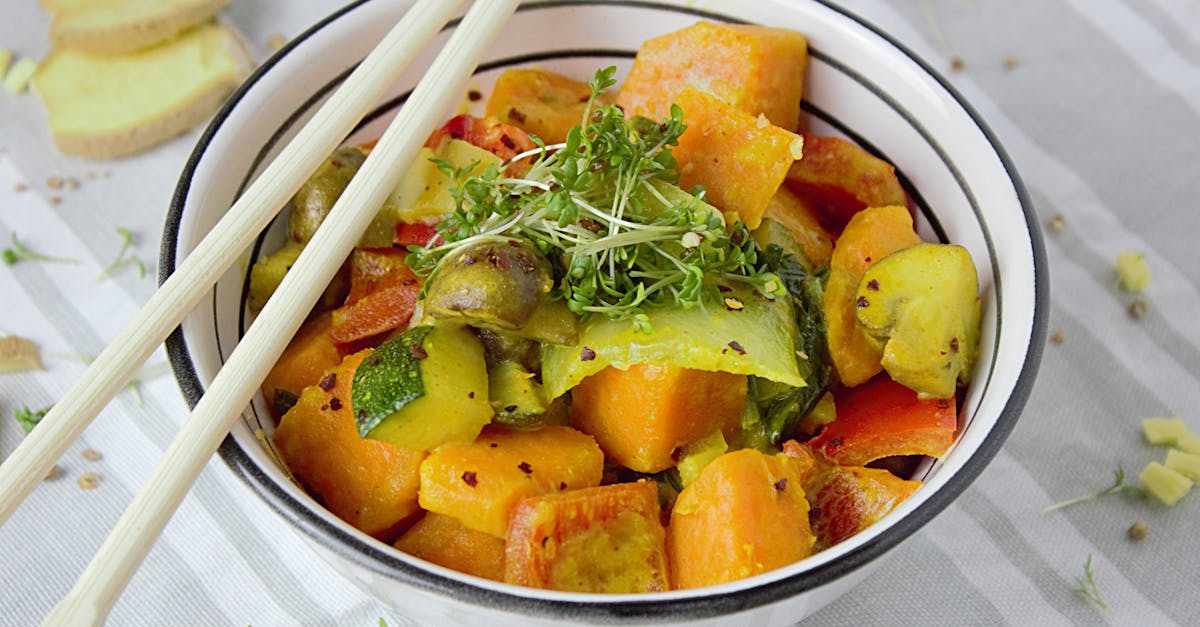
Black beans are a protein staple, offering 15 g per cup for roughly $0.90. Sweet potatoes add complex carbs and beta-carotene at about $0.60 per medium tuber. Together they create a hearty base for a burrito bowl that also includes avocado, corn, and a squeeze of lime.
Roast diced sweet potatoes at 400°F for 20-25 minutes while simmering canned black beans with cumin, smoked paprika, and a splash of water. Assemble bowls with a layer of brown rice, followed by beans, sweet potatoes, corn kernels, sliced avocado, and a drizzle of salsa. Each bowl supplies around 28 g of protein and stays under $2.50 per portion.
These bowls keep well for up to four days in the fridge. For added variety, swap the rice for quinoa or add a dollop of Greek yogurt. The recipe’s simplicity and reliance on bulk-cook ingredients make it a cost-effective, nutrient-dense option for students who need meals that travel well to class or the library.
Template #5 - Edamame-And-Peanut-Sauce Rice Noodles
Edamame (young soybeans) provides about 17 g of protein per cup and costs roughly $1.20 frozen. Rice noodles are cheap, quick-cooking, and serve as a neutral base that lets the creamy peanut sauce shine. The sauce blends peanut butter, soy sauce, lime juice, and a touch of honey.
Cook rice noodles according to package directions (usually 3-4 minutes). While the noodles boil, whisk together 2 tbsp peanut butter, 1 tbsp soy sauce, 1 tsp lime juice, and ½ tsp honey. Drain noodles, toss with the sauce, and fold in a cup of thawed edamame. The entire dish comes together in about 10 minutes and costs under $2.00 per serving, delivering roughly 25 g of protein.
This meal is ideal for late-night study sessions because it requires no stovetop after the noodles are cooked. Store the sauce separately if you plan to reheat later; this prevents the noodles from becoming soggy. A sprinkle of chopped scallions or sesame seeds adds texture and flavor without extra expense.
Template #6 - Greek-Style Veggie & Halloumi Skillet
Halloumi cheese offers a solid protein punch at about 21 g per 100 g and melts without losing its shape, making it perfect for quick skillet meals. Combine it with tomatoes, olives, zucchini, and a dash of oregano for a Mediterranean flavor profile.
Start by heating a tablespoon of olive oil, then add sliced zucchini and cook for 3 minutes. Add diced tomatoes, pitted olives, and a pinch of oregano; simmer for another 4 minutes. Cube halloumi and stir it into the mixture, cooking until the cheese turns golden on the edges - about 2-3 minutes. The skillet serves two, each portion delivering roughly 22 g of protein for under $3.50.
This dish pairs well with a side of whole-grain pita or a small serving of quinoa. Because halloumi holds its texture, leftovers reheat beautifully in a microwave or a quick pan-sear, retaining both flavor and protein content. It’s a flavorful, protein-rich option that fits a student’s limited kitchen equipment.
With the recipes in hand, the next step is to shop smart and store wisely so the savings really add up.
Budget-Friendly Shopping List & Storage Hacks
Strategic buying is the cornerstone of keeping weekly food costs below $30. Purchase dried legumes (lentils, black beans, chickpeas) in bulk; a 2-lb bag typically costs $2-$3 and lasts several weeks. Quinoa, brown rice and oats also store well for months when kept in airtight containers.
For perishable items, buy frozen vegetables like edamame, mixed stir-fry blends, and spinach. Frozen produce is often cheaper than fresh and retains nutrients. When you need fresh greens, choose sturdy varieties (kale, cabbage) that last longer, and wrap them in a paper towel inside a resealable bag to extend freshness.
Store cooked grains and beans in portion-size containers (e.g., 1-cup Mason jars). This not only speeds up meal assembly but also reduces waste. Keep tofu wrapped in its original water-filled package and change the water daily if you plan to store it for more than two days. Halloumi can be kept in its brine solution in the fridge for up to a week.
Finally, label every container with the date prepared. Using a simple label maker or masking tape with a pen helps you rotate older meals first, preventing accidental spoilage and unnecessary re-shopping trips.
Common Mistakes to Avoid When Meal-Prepping Plant Protein
Over-cooking beans. Boiling beans for too long makes them mushy and releases nutrients into the cooking water. Aim for a tender but firm texture; a quick-soak method or using a pressure cooker can shorten time while preserving protein.
Forgetting to season. Plant proteins often have a mild flavor, so generous use of herbs, spices, salt and acid (lemon juice or vinegar) is essential. A pinch of salt and a dash of soy sauce can transform bland lentils into a savory base.
Misjudging portion sizes. It’s easy to underestimate how much cooked grain or bean fits in a container. Use a kitchen scale or measuring cups during the first few weeks to learn the correct portions for a 30-g protein target.
Neglecting food safety. Cool cooked beans and rice to room temperature within two hours, then refrigerate. Reheat leftovers to at least 165°F to kill any potential bacteria. This habit prevents food-borne illness and keeps meals safe for the week.
Glossary of Key Terms
- Complete protein: A protein source that contains all nine essential amino acids in adequate amounts.
- Bulk cooking: Preparing a large quantity of a dish at once to use for multiple meals.
- Pressing tofu: Removing excess water from tofu by placing it between towels and applying weight, improving texture.
- Pan-sear: Cooking food quickly over high heat in a skillet to develop a browned crust.
- Brine: A salty water solution used to preserve cheese or meat, extending shelf life.
- Micronutrients: Vitamins and minerals required in small amounts for health.
What is the cheapest source of plant protein?
Dried beans and lentils are typically the most affordable, offering 15-20 g of protein per cup for under $1.
How long can cooked beans be stored safely?
Cooked beans keep in the refrigerator for up to five days when stored in airtight containers.
Can I substitute quinoa for rice in these recipes?
Yes - quinoa adds extra protein and a pleasant nutty flavor, and it swaps in 1-for-1 with rice in most dishes.