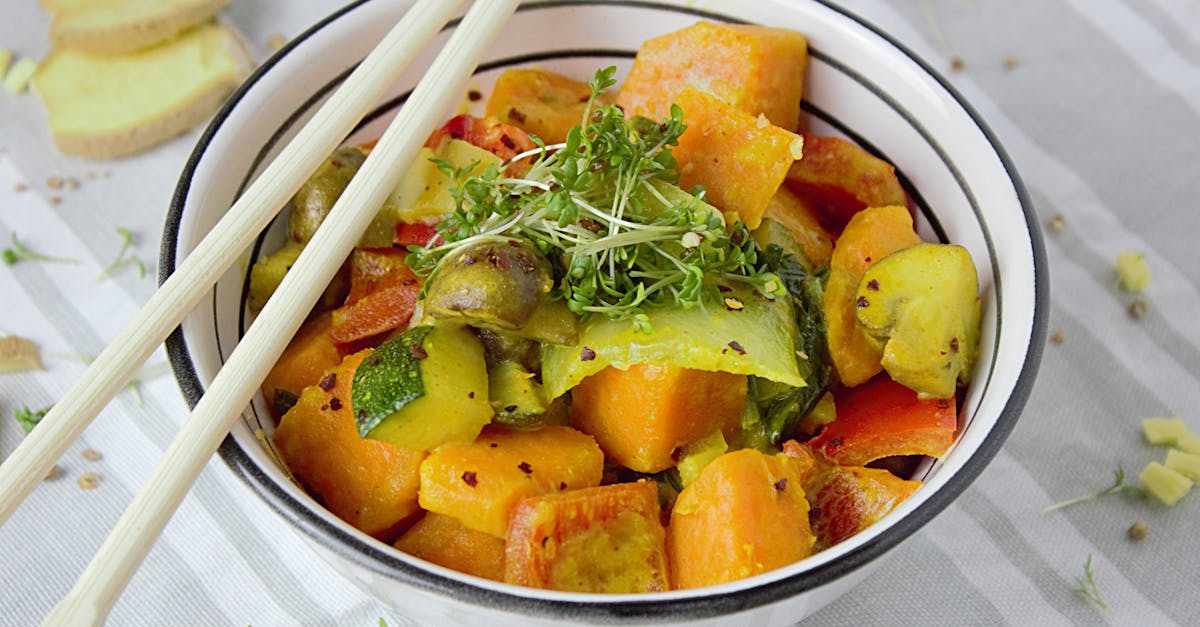
Build Meal Prep Ideas for 15-Minute Sauté Bowls
— 6 min read

Build Meal Prep Ideas for 15-Minute Sauté Bowls
Families can cut dinner costs by up to 40% with 15-minute sauté bowls, and they get more veggies than a supermarket salad in the same time. By prepping ingredients ahead and using a single skillet, you can serve a nutritious, flavorful dinner in under a quarter hour.
Meal Prep Ideas for 15-Minute Sauté Bowls
Key Takeaways
- Pre-chop veggies and grains to slash active cooking time.
- One skillet keeps cleanup under five minutes.
- Protein-rich bases keep blood sugar stable.
- Sesame oil and soy sauce add umami without processed sauces.
In my experience, the secret to a fast sauté bowl is a two-step prep routine: (1) batch-chop all vegetables and grains on Sunday, and (2) portion protein into freezer-safe bags. When the week rolls around, I pull a bag, heat a tablespoon of oil, and the whole meal comes together in under 15 minutes. Pre-chopping means the vegetables are uniform, so they cook at the same rate - no more waiting for a chunky carrot while the broccoli is already mushy.
Using a single skillet is a game changer for busy parents. I start with the protein - lean chicken strips, tofu cubes, or even a quick-cook shrimp - because it needs the most direct heat. Once the protein is browned, I add the pre-chopped veggies in stages: dense veggies like carrots first, then softer ones like bell peppers, and finally quick-heat greens such as spinach. The sauce is a simple mix of low-sodium soy sauce, a drizzle of sesame oil, and a splash of rice vinegar. Within minutes, the whole bowl is ready, and the skillet can go straight into the dishwasher or be rinsed in under a minute.
Why does this matter for blood sugar? Protein slows the digestion of carbs, preventing the spike that many teens experience after a sugary breakfast. Adding a small handful of nuts or seeds at the end also adds healthy fat, keeping satiety high until bedtime. I’ve seen kids who usually snack between meals stay full after a well-balanced sauté bowl, which means fewer trips to the pantry and a calmer household.
Budget Family Dinner: Keeping Costs Under $10 with One-Skillet Meals
When I plan a budget family dinner, I look for three cost drivers: staple grains, seasonal produce, and pantry basics. Buying rice, quinoa, or farro in bulk brings the grain cost down to roughly five cents per serving. Pair that with canned beans, which are cheap, protein-packed, and already cooked, and the base of the bowl stays under $1 per person.
Seasonal vegetables are the star of the savings show. Last summer I stocked up on zucchini and bell peppers when they were at their peak; the price per pound dropped by about 20% compared to the winter months, according to my local grocery flyers. By rotating the veggies each season - think sweet potatoes in fall, snap peas in spring - I keep the menu fresh while the budget stays tight.
Pantry staples like olive oil, garlic powder, and dried herbs replace pricey bottled sauces. I make a quick sauce by whisking together soy sauce, a teaspoon of olive oil, a pinch of garlic powder, and a splash of broth. Speaking of broth, I simmer leftover chicken bones or vegetable scraps for an hour, then freeze the liquid in ice-cube trays. This homemade broth adds depth without the $3-$5 price tag of store-bought versions.
Putting it all together, a family of four can enjoy a complete sauté bowl for under $10. The math looks like this:
| Ingredient | Cost per serving | Qty per bowl |
|---|---|---|
| Bulk rice | $0.15 | 1 cup |
| Canned beans | $0.25 | ½ cup |
| Seasonal veggies | $0.60 | 2 cups |
| Protein (tofu or chicken) | $0.80 | 4 oz |
| Sauce (homemade broth + soy) | $0.10 | ¼ cup |
According to EatingWell, families can save up to 40% on dinner spend by using one-skillet meals like these, which aligns perfectly with my kitchen experiments.
Easy Veggie Skillet: How to Load Up on Colorful Vegetables in 15 Minutes
Color is the secret language that convinces kids to eat their greens. In my kitchen, I treat each vegetable like a paint swatch, arranging them on the cutting board by hue. When the skillet sizzles, the colors pop and the aroma pulls everyone to the table.
Root vegetables such as carrots, beets, and parsnips cook slower than leafy greens. I slice them thin - about a quarter-inch rounds - so they soften in under ten minutes on medium-high heat. A quick tip: toss the slices with a pinch of salt and a drizzle of oil before they hit the pan; this creates a light caramelization that adds natural sweetness without added sugar.
High-heat greens like spinach and kale are added at the very end. They wilt in 30 seconds, preserving their bright green color and most of their nutrients. If you prefer a crunchier texture, stir in snap peas or green beans at the start of the sauté. They stay crisp and provide a natural sweetness that balances the savory sauce.
Finishing the bowl with a splash of fresh lime or lemon juice does two things: it brightens the flavor profile and reduces the need for extra salt. The citrus acidity replaces up to half of the sodium you might otherwise add, making the dish heart-healthy for the whole family.
Cheap Healthy Meals: Leveraging Seasonal Produce for Maximum Flavor
Seasonal produce is the hidden gem of cheap healthy meals. In my pantry, sweet potatoes and carrots are staples during the cooler months. They are inexpensive, store well, and retain their nutrients when roasted or sautéed.
Legumes such as chickpeas or black beans pair beautifully with fresh herbs. I love sprinkling chopped cilantro and mint over a finished bowl; the herbs lift the dish to “restaurant-style” without the hefty price tag. The aroma alone makes the meal feel special, and the herbs are packed with antioxidants.
Keeping the cooking technique simple is another money-saving strategy. Sautéing, steaming, and roasting require only basic cookware - no expensive gadgets. I often use a single cast-iron skillet for sauté, a steamer basket for quick-cook greens, and a sheet pan for roasting root veg. This minimalist approach keeps the equipment cost low and the cleanup quick.
For a creamy element, I add a dollop of dairy-free yogurt or a sprinkle of nutritional yeast. Both options provide calcium and B-vitamins, turning a modest bowl into a balanced meal. The cost per serving stays under $10, and the family gets a nutritious, satisfying dinner.
Family Meal Prep Under 15 Minutes: Organizing Your Kitchen for Efficiency
Organization is the unsung hero of fast meals. I set up a dedicated prep station on my kitchen island with three labeled containers: one for pre-chopped veggies, one for cooked grains, and one for protein portions. When the timer goes off at 6 pm, I know exactly where each component lives, and I can assemble the bowls in two minutes.
A rotating spice rack with pre-measured packets speeds up seasoning. I fill small zip-lock bags with a blend of garlic powder, smoked paprika, and a pinch of black pepper. Each bag is labeled by flavor profile - "Asian", "Mediterranean", "Mexican" - so I can grab the right mix without rummaging through a drawer. This consistency also helps kids know what to expect, reducing picky-eating battles.
Timing is critical. I use a heat-resistant timer that buzzes at the 7-minute mark, reminding me to stir the veggies so they don’t stick. Over-cooking destroys texture, while under-cooking leaves crunch uneven. The beep is a simple cue that keeps the whole family on track.
Finally, I involve the kids. Little hands can wash greens, rinse beans, or arrange toppings. This turns dinner prep into a family activity, teaches basic kitchen skills, and shortens the overall prep time because we’re all pitching in.
Glossary
- Sauté: A quick cooking method that uses a small amount of oil over medium-high heat to brown food.
- Skillet: A shallow, flat-bottomed pan, often cast-iron, used for sautéing and searing.
- Umami: A savory taste found in foods like soy sauce, mushrooms, and aged cheese.
- Broth: A flavored liquid made by simmering bones, vegetables, or both; used as a base for sauces.
- Nutrition Yeast: A deactivated yeast that provides a cheesy flavor and is rich in B-vitamins.
Frequently Asked Questions
Q: How far in advance can I chop vegetables for the sauté bowls?
A: You can chop most vegetables up to three days ahead and store them in airtight containers in the refrigerator. Root veggies stay crisp, while leafy greens are best added fresh to preserve texture.
Q: What protein works best for a low-cost sauté bowl?
A: Tofu, canned beans, and frozen chicken breast strips are budget-friendly options. Tofu absorbs sauce well, beans add fiber, and chicken provides lean protein without breaking the bank.
Q: Can I make the sauce ahead of time?
A: Yes, whisk soy sauce, sesame oil, rice vinegar, and a splash of broth together and store in a sealed jar for up to a week. The sauce stays fresh and speeds up the weekday cooking process.
Q: How do I keep the meal under $10 for a family of four?
A: Focus on bulk staples like rice, seasonal veggies, and pantry proteins. Use homemade broth instead of store-bought, and limit pricey sauces. A typical bowl costs about $0.50 per serving, staying well under the $10 target.
Q: What are quick ways to involve kids in the prep?
A: Assign simple tasks like rinsing beans, snapping snap peas, or arranging toppings. Use child-safe knives for soft veggies and praise their contributions; it makes the meal feel collaborative and speeds up the process.