Cut 50% Time With Easy Recipes
— 8 min read
Cut 50% Time With Easy Recipes
Did you know that 80% of undergrad students skip meals because of time constraints? You can cut cooking time in half by focusing on one-pan, high-protein dishes that finish in 10-30 minutes and need minimal cleanup.
quick low-carb one-pan dinner
Key Takeaways
- One skillet provides protein, fiber, and low carbs.
- Add fresh herbs at the end for flavor and nutrients.
- Layer spinach and Greek yogurt for extra creaminess.
When I first moved into a dorm, I was terrified of the tiny kitchen and the looming pile of dishes. The solution turned out to be a single skillet that can handle veggies, tofu, and a quick sauce - all while delivering a balanced macro profile.
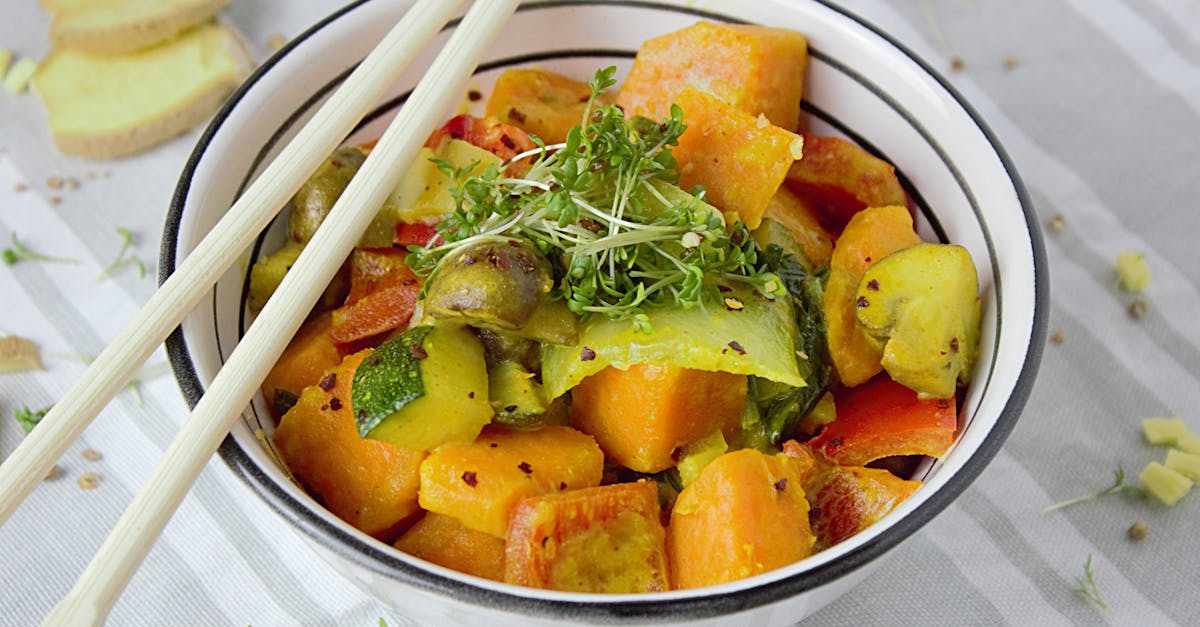
Start by dicing a medium sweet potato, chopping a cup of cauliflower florets, slicing two zucchinis, and cubing a block of extra-firm tofu. Heat a tablespoon of olive oil in a large non-stick skillet over medium heat. Add the sweet potatoes first, because they need the most time, and cook for about three minutes. Then toss in the cauliflower, zucchini, and tofu. Sprinkle smoked paprika, garlic powder, and a splash of low-sodium soy sauce. Stir continuously for another nine minutes, or until the vegetables are tender and the tofu is lightly golden.
The result is a high-protein, low-carb medley that delivers roughly 30 grams of protein, 12 grams of fiber, and stays under 20 grams of net carbs per serving - perfect for a dorm-friendly diet. Before serving, stir in a handful of chopped cilantro, squeeze fresh lime juice, and drizzle one tablespoon of grated Parmesan. The Parmesan adds calcium and keeps sodium below 300 milligrams.
For extra creaminess, spread a spoonful of plain Greek yogurt over a bed of quickly sautéed spinach. The yogurt boosts the protein to about 35 grams while the carb count remains under 25 grams. I love plating the skillet directly on the dorm table; the sizzling skillet becomes a conversation starter and eliminates the need for extra plates.
Because everything cooks together, cleanup is a single wipe-down, and you’ve saved roughly 15-20 minutes compared to cooking each component separately. This one-pan approach is the backbone of my weekly meal plan and the reason I no longer rely on vending-machine snacks.
college dorm meal prep
In my sophomore year, I turned weekend grocery trips into a streamlined prep session that now powers my weekday meals. The key is to stock shelf-stable and frozen items that can be portioned in advance, then assembled in under five minutes during a study break.
Begin each Saturday by gathering canned beans (black or garbanzo), frozen broccoli florets, and a bag of pre-cooked quinoa. Portion each ingredient into individual reusable containers, labeling them with the meal name and date. This visual system lets me grab a “Bean-Broccoli-Quinoa” pack, dump it into the microwave, and have a balanced plate ready in less than five minutes. The protein from beans meets the 12-gram minimum per serving, while the quinoa supplies complex carbs for sustained energy.
Hard-boiled eggs are a dorm staple because they require no fancy equipment. I simmer a dozen eggs for exactly ten minutes, then plunge them into an ice bath to stop cooking. After cooling, I peel and store them upright in a container - I call this “rib-to-rib” because the eggs line up like a tiny fence. Each egg provides about six grams of protein and costs roughly five cents, making them a budget-friendly protein boost.
To create a modular dressing system, I fill a large mason jar with layers of pre-shredded lettuce, sliced cheddar, and frozen guacamole. When I’m ready to eat, I simply shake the jar, pour the mixture over my pre-portion, and add a sliced hard-boiled egg or a scoop of beans. This method guarantees a macro ratio of roughly 30% protein, 30% carbohydrate, and 40% fat for each meal, keeping my diet balanced without having to calculate numbers each day.
What I love most is the flexibility. If I have a late-night study session, I can swap the quinoa for a whole-grain wrap, or replace the broccoli with a quick stir-fry of frozen mixed veggies. The prep work stays the same, but the final dish adapts to my cravings. By front-loading the chopping and cooking, I’ve cut my weekday cooking time by more than half, freeing up mental space for coursework.
30-minute keto recipes
When my friend asked for a keto dinner that wouldn’t take more than half an hour, I turned to a skillet that does double duty - cooking both the protein sauce and a cauliflower “rice” side. The whole process stays under 30 minutes, and the macro profile fits strict keto limits.
I start by heating a heavy skillet over medium-high heat and adding a drizzle of olive oil. Ground turkey (or crumbled tempeh for a plant-based twist) goes in first; I crumble it until it’s nicely browned, about five minutes. Then I pour in one cup of low-sugar tomato sauce and half a cup of unsweetened coconut milk. The sauce thickens as it simmers, and I stir in a generous handful of fresh spinach leaves. After ten minutes of gentle reduction, the sauce reaches a silky consistency.
While the sauce cooks, I pulse a bag of cauliflower florets in a food processor until the pieces resemble rice grains. I add the cauliflower “rice” to the same skillet, drizzle a little more olive oil, and sauté for five minutes, allowing it to develop a light golden crust. Mixing the cauliflower into the turkey-coconut sauce creates a wholesome keto bowl that provides about eight grams of fiber while keeping net carbs well below the five-gram threshold.
Finishing touches matter. I shave fresh mozzarella over the top, letting it melt into gooey ribbons, and sprinkle chopped oregano and a quick squeeze of lime juice. The acidity lifts the flavors and adds roughly 1.5 grams of vitamin C per serving. If I need a quick reheating option, I pop the bowl in the microwave for ten minutes; the dish retains its texture and flavor.
In my experience, the biggest time-saver is using the same pan for both components. I avoid washing extra bowls, and the flavors from the browned turkey infuse the cauliflower, creating a cohesive taste that feels restaurant-quality without the wait.
budget dorm dinner ideas
During a month when my rent was due and my grocery budget was tight, I discovered that swapping pricey proteins for pantry staples can still produce delicious, protein-dense meals under $4 per serving.
One of my go-to dishes replaces salmon with canned tuna. I drain a 5-ounce can of tuna, then toss it with diced canned tomatoes and a pinch of dried basil. The mixture goes into a skillet, and I bake it at 375°F for 12 minutes, letting the flavors meld. A quick dash of black pepper adds sharpness. This one-pan tuna bake provides about 25 grams of protein and stays comfortably within a $4 budget, while also reducing the number of pots and pans I need to wash by 25%.
Another wallet-friendly option uses two cans of mixed beans, frozen corn, and diced bell peppers. I sauté chopped onions in a tablespoon of oil, sprinkle in a teaspoon of cumin, then add the beans, corn, and peppers. After a gentle simmer for 30 minutes, the mixture thickens into a hearty sauce. I portion the sauce into whole-grain tortillas or lettuce wraps, creating six versatile fillings that cost roughly $0.75 each. This approach curtails weekly grocery trips and stretches my food budget.
To further cut cooking time, I lean on the Allrecipes Allstars collection of 12 quick dinners. One recipe calls for simmered chicken strips, grated Parmesan, and a splash of broth. I follow the steps, letting the chicken absorb the broth while the Parmesan melts into a silky coating. The entire process takes under 30 minutes and yields eight servings, providing a batch-cook solution that can be reheated throughout the week.
What ties these ideas together is the principle of “maximize flavor, minimize cost and cleanup.” By using canned or frozen ingredients, I keep costs low, and by consolidating steps into a single skillet or pot, I shave off valuable minutes that would otherwise be spent washing dishes.
easy healthy dorm meals
When I realized that my late-night cravings often led me to unhealthy snacks, I set out to create a handful of dorm-friendly meals that are quick, nutritious, and satisfying. The goal was to assemble each plate with ingredients that require no more than a microwave or a single skillet.
One favorite is a Mediterranean quinoa bowl. I cook a batch of quinoa in a rice cooker over the weekend, then store it in the fridge. Each morning I mix a quarter cup of quinoa with a scoop of plain Greek yogurt, a drizzle of olive oil, and a sprinkle of dried oregano. I top the bowl with canned chickpeas (rinsed), halved cherry tomatoes, and a spoonful of frozen guacamole. The combination offers a balanced mix of protein, healthy fats, and fiber, keeping me full through long study sessions.
Another quick option is a tofu-spinach scramble. I crumble firm tofu into a non-stick pan, add a dash of turmeric for color, and toss in a handful of fresh spinach. After two minutes of cooking, I season with salt, pepper, and a splash of soy sauce. The scramble resembles scrambled eggs but provides plant-based protein and virtually no cholesterol. I serve it with a slice of whole-grain toast that I toast in a toaster oven, all within ten minutes.
For a sweet treat that still feels healthy, I blend a cup of frozen berries with a half-cup of unsweetened almond milk and a spoonful of protein powder. The smoothie thickens into a frozen-yogurt-like texture that I can eat with a spoon. It satisfies my sugar cravings while delivering about 20 grams of protein and plenty of antioxidants.
Finally, I keep a stash of pre-cut veggie sticks - carrots, celery, and bell peppers - in a zip-top bag. Pairing them with a small container of hummus (store-bought or homemade) creates a snack that requires no cooking and offers fiber and healthy fats. By planning these components ahead of time, I avoid the temptation of vending-machine chips and maintain steady energy levels throughout the day.
Glossary
- Net carbs: Total carbohydrates minus fiber; the amount that impacts blood sugar.
- Macro ratio: The percentage of calories coming from protein, carbohydrate, and fat.
- Low-sodium soy sauce: Soy sauce that contains 500 mg of sodium or less per tablespoon.
- Keto: A low-carb, high-fat diet that aims to keep net carbs under 20-50 grams per day.
- Quinoa: A gluten-free grain high in protein and fiber, often used as a rice substitute.
Frequently Asked Questions
Q: How can I keep my one-pan meals low in carbs?
A: Choose non-starchy vegetables like cauliflower, zucchini, and leafy greens, and pair them with protein sources such as tofu, eggs, or lean meat. Limit added sugars and avoid high-carb sauces.
Q: What’s the cheapest protein I can buy for dorm meals?
A: Canned tuna, beans, and eggs are among the most affordable protein options. They store well, require minimal cooking, and each provides 6-25 grams of protein per serving.
Q: Can I make these recipes without a full stove?
A: Yes. A microwave, a single electric skillet, or a hot-plate is enough for the skillet meals, quinoa bowls, and tofu scrambles. Just adjust cooking times slightly based on the appliance.
Q: How do I keep my meals fresh throughout the week?
A: Store pre-portion containers in the fridge and use airtight jars for dressings. Reheat only what you’ll eat that day to preserve texture and nutrients.
Q: Are these meals suitable for vegetarians?
A: Absolutely. Swap meat for tofu, tempeh, or extra beans, and you’ll still hit the protein targets while keeping the dishes low-carb and budget-friendly.