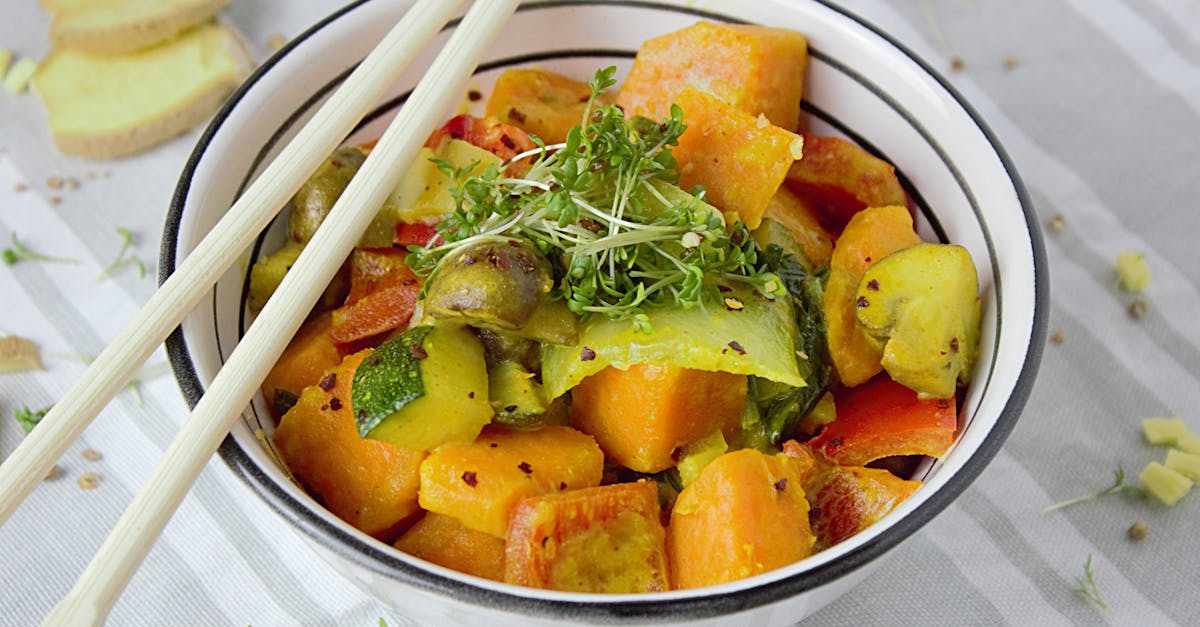
Easy Recipes - 7 Night Shift Dinner Ideas
— 7 min read
According to Delish, 31 low carb dinners can be cooked in 10 minutes, so here are seven easy night shift dinner ideas you can prepare in under ten minutes. These meals use pantry staples and quick techniques to keep you fueled during late hour shifts without spending an hour in the kitchen.
31 low carb dinners can be cooked in 10 minutes (Delish).
Easy Recipes
When I first started working night shifts, I realized that the biggest hurdle was not the lack of ingredients but the chaos in my pantry. I began by stocking a few versatile staples: quinoa, canned beans, frozen mixed vegetables, and a jar of marinara. These items are shelf-stable, affordable, and can be turned into a variety of meals with just a few extra flavors.
Organizing my ingredients by meal type made a world of difference. I keep a dedicated shelf for breakfast items (oats, nut butter), another for lunch (canned tuna, whole grain wraps), and a third for dinner (pasta, rice, sauces). This way, when the night shift ends and I’m hungry, I don’t waste precious minutes hunting for the right jar.
One habit I swear by is batch-cooking sauces and stocks on the weekend. I simmer a big pot of vegetable broth, blend roasted red pepper sauce, and freeze them in single-serve bags. When a dinner idea strikes, I just pour in the pre-made base and add fresh veggies or protein. The result feels gourmet, but the effort is minimal.
Healthy cooking doesn’t have to be complicated. I focus on whole foods - fresh produce, legumes, nuts - and limit added sugars. For example, instead of a sugary glaze, I drizzle a splash of balsamic vinegar and a pinch of sea salt over roasted carrots. The flavors are bright, the nutrients stay intact, and the calorie count stays low.
In my experience, the combination of a well-stocked pantry, smart organization, and pre-made foundations turns a hectic kitchen into a streamlined prep station. You can spend less than ten minutes chopping, stir, and serve, even after a long night at work.
Key Takeaways
- Stock versatile staples like quinoa and frozen veggies.
- Organize pantry by meal type for quick access.
- Batch-cook sauces and stocks on weekends.
- Focus on whole foods and limit added sugars.
- Use pre-made bases to create gourmet meals fast.
Night Shift Dinner Ideas
Working the night shift means you need meals that satisfy without leaving you feeling sluggish. I rely on sheet-pan recipes because they require minimal cleanup and can be assembled in minutes. A favorite is sheet-pan roasted vegetables - broccoli, bell peppers, and carrots - tossed with olive oil, salt, and pepper, then baked while I finish a quick report. A drizzle of tahini sauce adds creamy richness without extra cooking steps.
Protein is essential for sustained energy, especially during late hours. I love plant-based options like chickpeas or tofu because they digest easily and don’t cause the heaviness that some animal proteins can. For a quick tofu stir-fry, I press tofu ahead of time, cube it, and keep it in the fridge. When it’s time to eat, I toss the cubes with pre-chopped stir-fry veg and a splash of soy-ginger sauce. In under five minutes, I have a balanced plate that fuels my brain.
Pre-chopping ingredients is a game changer. I slice onions, mince garlic, and portion out leafy greens into airtight containers on Sunday. By the time I finish my shift, I can grab a container, add a protein, and the meal is ready. This method cuts prep time to a bare minute, letting me unwind or study before bed.
One mistake I see people make is over-cooking the vegetables, which can make them mushy and less appealing. Keep the oven at a high temperature (425°F) and monitor the veggies so they stay crisp-tender. A quick toss after baking with a squeeze of lemon juice revives the flavors and adds a fresh zing.
Overall, night-shift dinner ideas thrive on simplicity, protein balance, and smart storage. With a few staples and pre-prep, you can assemble a satisfying meal in under five minutes, keeping your energy steady for the remainder of the night.
Quick Vegetarian Recipes
When I need a meat-free meal that still feels hearty, I turn to a combination of mushrooms, spinach, and lentils. I sauté sliced mushrooms in a splash of olive oil until they release their umami, then add a handful of fresh spinach and cooked lentils. A quick splash of balsamic glaze ties the flavors together, creating a dish that tastes like it took hours but only needed ten minutes.
Pressure cookers and Instant Pots have saved me countless minutes. I load the pot with brown rice, vegetable broth, and a cup of dried beans, set the timer, and walk away. In less than 20 minutes, I have fluffy grains and perfectly cooked legumes ready to be mixed into salads, wraps, or bowls. This rapid cooking method frees up time for study sessions or a short nap before the next shift.
Fresh herbs are the secret to elevating any quick vegetarian dish. I keep cilantro, basil, and parsley in a small jar of water on the countertop, just like fresh flowers. Adding a handful of chopped herbs at the end of cooking adds a burst of aroma and antioxidants, turning a simple sauté into a healthful delight.
Common mistakes include neglecting to season each layer. I make it a habit to season the mushrooms, then the lentils, and finally the final dish. Skipping this step can leave the final plate bland, no matter how fresh the ingredients are.
By using these shortcuts - pre-cooked grains, pressure-cooked beans, and fresh herbs - you can create a variety of quick vegetarian recipes that satisfy both your palate and your schedule.
10-Minute Meals
My go-to strategy for 10-minute meals is to keep a stock of pre-cooked components. I have a freezer bag of pre-steamed brown rice and another bag of baked tofu cubes. When hunger strikes, I heat the rice in the microwave, toss in the tofu, and add a handful of frozen edamame. Within minutes, I have a protein-rich bowl.
Layering a base of mixed greens, a protein source, and a quick vinaigrette creates a balanced plate that can be eaten hot or cold. I whisk together olive oil, lemon juice, a pinch of salt, and a dash of mustard for a vinaigrette that takes seconds. Drizzle over a bed of spinach, add the rice and tofu, and finish with a sprinkle of toasted sesame seeds.
Microwave-safe steam bags are a lifesaver for preserving nutrients. I place frozen broccoli florets in a steam bag, pop it in the microwave for three minutes, and the veg stay bright green and crisp. This method keeps the texture fresh and the vitamins intact, so the quick dinner still feels vibrant.
A frequent error is relying on stale leftovers that have lost flavor. I combat this by adding a fresh element - like a squeeze of lime or a dash of hot sauce - right before serving. This quick boost revives the meal and keeps it exciting.
With pre-cooked staples, simple dressings, and efficient microwave techniques, you can assemble a nutritious, satisfying dinner in exactly ten minutes, leaving plenty of time for relaxation or study.
Low-Carb Vegetarian Dinner
When I want to keep carbs low without sacrificing satisfaction, I reach for spiralized zucchini - often called "zoodles". I toss the zoodles with a tomato-based sauce seasoned with oregano, garlic, and a pinch of red pepper flakes. The sauce coats the noodles, delivering a familiar pasta feel while keeping the carbohydrate count minimal.
Healthy fats are crucial for satiety, especially late at night. I add sliced avocado on top of the zucchini pasta, or drizzle a tablespoon of extra-virgin olive oil over a stir-fry. The fats help absorb the fat-soluble vitamins in the veggies and keep me feeling full until morning.
Cauliflower rice is another excellent low-carb foundation. I pulse cauliflower florets in a food processor until they resemble rice, then sauté with a little oil, garlic, and soy sauce. The result is fluffy and slightly nutty, perfect as a base for a tofu stir-fry or a vegetable curry. Because cauliflower rice cooks in three minutes, it fits perfectly into a quick dinner routine.
One mistake I see is over-seasoning the sauce, which can mask the delicate flavor of the zucchini. I recommend starting with a small amount of herbs, tasting, and adding more as needed. This keeps the dish balanced and highlights the freshness of the vegetables.
By swapping traditional pasta for zucchini, incorporating healthy fats like avocado, and using cauliflower rice as a base, you can enjoy a low-carb vegetarian dinner that feels indulgent yet stays light for a night shift schedule.
Time-Saving Dinner Prep
Creating a rotating recipe calendar has been my secret weapon for never running out of ideas. I plan a week’s worth of dinners on Sunday, alternating between sheet-pan meals, quick stir-frys, and salads. This way, I never have to scramble for a new recipe after a long shift.
One of my favorite time-saving hacks is using a slow cooker to infuse flavors overnight. I load the slow cooker with diced tomatoes, beans, spices, and cubed sweet potatoes before bed. By morning, I have a fragrant, ready-to-serve stew that only needs a quick reheat. This method eliminates supervision during the workday and delivers a warm dinner just in time for my night shift.
Keeping a well-organized spice rack with pre-mixed blends reduces decision fatigue. I have a "Mediterranean" blend (oregano, thyme, rosemary) and an "Asian" blend (ginger, garlic powder, sesame seeds) in small jars. When I open the fridge, I can sprinkle the right blend onto my dish without hunting through dozens of individual jars.
A common mistake is neglecting to label pre-pped ingredients, leading to confusion about freshness. I always write the prep date on the container lid with a marker. This simple step prevents waste and ensures I’m using ingredients at their peak.
By rotating recipes, leveraging slow cookers, and streamlining spice storage, you can shave hours off your weekly dinner workload, giving you more energy for work, study, or rest.
Glossary
- Sheet-pan meal: A dish cooked on a single baking sheet, minimizing dishes.
- Batch-cooking: Preparing large quantities of a component (like sauce) to use later.
- Spiralized: Vegetables cut into noodle-like strands.
- Vinaigrette: A simple dressing made from oil, acid (like vinegar or lemon), and seasonings.
Common Mistakes
- Not labeling pre-pped containers leads to forgotten or spoiled food.
- Skipping seasoning at each cooking stage results in bland dishes.
- Relying on heavy sauces can add unwanted calories and carbs.
- Overcooking vegetables loses texture and nutrients.
FAQ
Q: How can I keep my night-shift meals healthy without spending a lot of time?
A: Focus on pantry staples like quinoa, canned beans, and frozen veggies. Batch-cook sauces on weekends and store pre-chopped produce in airtight containers. Use quick protein sources such as tofu or chickpeas, and assemble meals in under five minutes.
Q: What are some quick vegetarian protein options for late-night meals?
A: Tofu, tempeh, canned beans, lentils, and edamame are all fast-cooking, plant-based proteins. They can be sautéed, added to salads, or mixed into grain bowls in just a few minutes.
Q: How do I make low-carb meals that still feel satisfying?
A: Substitute high-carb bases with spiralized zucchini, cauliflower rice, or shirataki noodles. Add healthy fats like avocado or olive oil, and include protein such as tofu or cheese to maintain fullness.
Q: What kitchen tools help me prepare 10-minute meals?
A: A microwave-safe steam bag, an Instant Pot or pressure cooker, a good quality sheet pan, and a set of pre-mixed spice blends are essential for fast, flavorful dishes.
Q: How can I avoid waste when prepping meals for night shifts?
A: Label containers with prep dates, store pre-chopped ingredients in portioned bags, and plan a rotating menu so you use each component before it spoils.