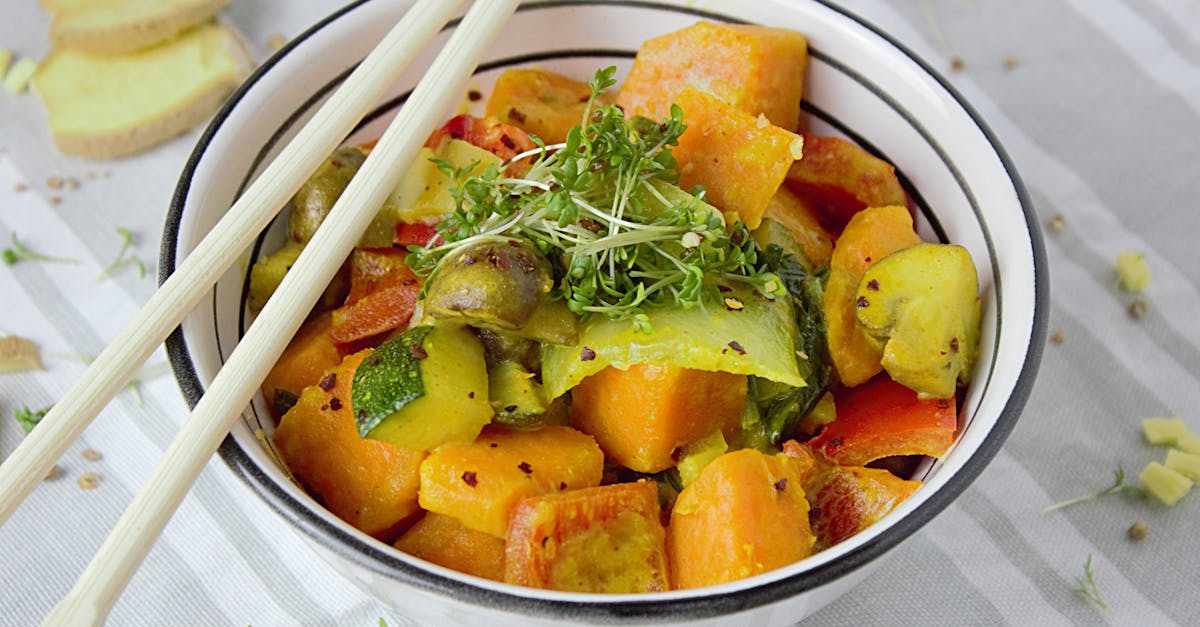
Hidden Sodium in One‑Pan Meals: How to Keep Sheet‑Pan Dinners Healthy
— 8 min read

Imagine you’re setting the table for a quick weeknight dinner. The oven hums, the pan is already loaded, and you’re convinced you’ve just earned a health-winning shortcut. Yet, beneath the sizzling aroma, a hidden stash of salt may be lurking - ready to tip your daily sodium intake over the line. In 2024, new USDA data confirms that many beloved sheet-pan recipes pack up to 40% more sodium than their stovetop cousins. Let’s pull back the curtain, spot the sneaky sources, and swap them for smarter, flavor-rich alternatives.
Why One-Pan Meals Aren’t Always the Healthy Shortcut You Think
Many home cooks assume that a sheet-pan dinner is automatically low-effort and low-calorie, but the reality is that these meals can deliver up to 40% more sodium than a comparable stovetop recipe. The convenience of pre-made sauces, seasoned vegetables, and cured proteins often masks the true salt content, pushing the dish beyond the American Heart Association’s recommended limit of 2,300 mg per day.
"The average American consumes about 3,400 mg of sodium each day, well above the guideline, and one popular sheet-pan dinner can contain 900 mg on its own."
Understanding where the sodium hides is the first step toward a healthier plate. Below we break down the most common culprits and provide concrete swaps that keep flavor while cutting the salt.
Key Takeaways
- Pre-made seasoning blends can add 200-400 mg of sodium per teaspoon.
- Commercial sauces often list sodium in the top three nutrition facts.
- Cured meats are the biggest single source of hidden salt in many sheet-pan dishes.
- Even small amounts of cheese or baking soda contribute measurable sodium.
- Simple pantry swaps and a quick sodium-scan can reduce total salt by 30% or more.
1. Pre-Made Seasoning Blends Pack a Salt Surprise
Store-bought spice mixes are marketed as time-savers, yet many contain salt equivalents that rival a packet of table salt. For example, a popular Italian seasoning blend lists 240 mg of sodium per ½ teaspoon. If a recipe calls for two teaspoons, that’s 960 mg - almost a third of the daily limit. The hidden sodium often appears as "salt," "sodium chloride," or "sodium citrate," and can be buried in the ingredient list among herbs and pepper.
Data from the USDA FoodData Central (2024 update) shows that the average pre-made seasoning blend adds between 150 mg and 350 mg of sodium per serving, depending on the brand. The impact multiplies when a cook uses multiple blends in the same pan, such as a garlic-onion mix plus a BBQ rub.
Low-sodium alternatives are easy to create at home. A basic blend of dried oregano, basil, thyme, garlic powder, and a pinch of sea salt provides flavor without the excess. Measure the sea salt carefully - about ¼ teaspoon adds only 580 mg, compared to the 1,200 mg found in many commercial mixes. Storing homemade blends in airtight jars preserves potency for up to six months.
When you must use a store-bought mix, check the nutrition label for sodium per serving and halve the recommended amount. Pair this reduction with fresh herbs like cilantro or parsley added at the end of cooking to boost flavor without adding salt.
Now that the spice shelf is under control, let’s see how sauces can be the next salty surprise.
2. “Gourmet” Sauces Hide Sodium in Fancy Labels
Bottled marinades, pesto, and glaze sauces often look sophisticated, but they frequently list sodium near the top of the nutrition facts panel. A typical teriyaki glaze contains 500 mg of sodium per two-tablespoon serving. If a recipe calls for three tablespoons, that’s 750 mg already.
Even “healthier” labeled sauces can be deceptive. A low-sugar BBQ sauce may cut sugar but keep sodium at 430 mg per serving. The ingredient list may read "water, tomato paste, molasses, salt, vinegar," making the salt content easy to overlook.
To control sodium, choose sauces labeled "no added salt" or make quick versions at home. For a simple pesto, blend fresh basil, garlic, pine nuts, olive oil, and a quarter-teaspoon of salt - yielding roughly 140 mg per quarter-cup. For a sweet-savory glaze, combine reduced-sodium soy sauce, honey, and a splash of citrus; the soy sauce provides the umami while the honey adds balance without extra salt.
When using store-bought sauces, measure precisely and consider diluting with water or unsalted broth. This stretches the flavor and reduces the sodium per bite. Additionally, wiping the pan after cooking and deglazing with a low-sodium liquid can capture residual flavor without extra salt.
With sauces tamed, the next culprit often arrives on a plate - cured meats.
3. Cured Meats as “Protein Boosters” Add a Salt Slam
Bacon, pepperoni, and pre-cooked sausage are popular additions for protein and texture, but they are also sodium powerhouses. A single slice of bacon contains about 190 mg of sodium; three slices add 570 mg. Pepperoni slices average 270 mg per ounce, and a typical serving of pre-cooked chicken sausage can exceed 800 mg per link.
Research from the National Institutes of Health (2024 review) shows that processed meats contribute roughly 25% of the average American’s daily sodium intake. The high salt content preserves the meat and enhances flavor, but it can quickly eclipse the rest of the dish’s sodium budget.
Low-sodium alternatives include fresh chicken breast, turkey cutlets, or canned beans that have been rinsed thoroughly. Rinsing canned beans for one minute can remove up to 40% of the sodium. If you crave the smoky note of bacon, try a thin slice of low-sodium turkey bacon (about 70 mg per slice) or sprinkle smoked paprika at the end of roasting.
When cured meat is essential for a recipe’s identity - such as a classic bacon-and-vegetable sheet pan - limit the portion to one slice per serving and balance with unsalted vegetables. Pairing with a bright herb sauce (e.g., lemon-parsley vinaigrette) can offset the perception of saltiness without increasing sodium.
Next, a sprinkle of cheese might seem harmless, but it’s another hidden sodium source.
4. Cheese Sprinkles Melt Into a Salty Glaze
Cheese is often added as a finishing touch, yet even a modest sprinkle of shredded cheddar can melt into a coating that adds significant sodium. One tablespoon of shredded cheddar contains about 80 mg of sodium. When spread over a whole pan, that amount can double as the cheese melts and blends with other ingredients.
Hard cheeses like Parmesan are especially salty - one tablespoon delivers roughly 120 mg. The melt-in effect means the sodium disperses throughout the dish, making it harder to detect.
To keep flavor while cutting salt, use reduced-sodium cheese varieties that contain up to 40% less sodium. For instance, reduced-sodium mozzarella provides about 150 mg per ¼-cup versus 250 mg in the regular version. Another strategy is to replace cheese with a sprinkle of nutritional yeast, which offers a cheesy umami taste with only 5 mg of sodium per tablespoon.
Adding cheese at the very end of roasting - just a minute or two under the broiler - creates a golden crust without fully integrating the salt into the sauce. This technique delivers the visual appeal and texture while keeping the sodium impact localized.
Even vegetables can be sneaky, especially when they come from a can or freezer.
5. Canned and Frozen Vegetables Contribute Silent Sodium
Convenient canned beans, olives, and frozen vegetables often arrive pre-seasoned. A ½-cup serving of canned corn can contain 210 mg of sodium, and a cup of frozen mixed vegetables may have 150 mg due to added salt in the processing line.
The USDA reports that 30% of sodium in the typical American diet comes from processed vegetables and legumes. The sodium is added during canning or flash-freezing to enhance shelf life and flavor.
Mitigation steps include choosing “no-salt-added” or “low-sodium” versions, which are increasingly available. If you only have regular canned beans, rinse them under cold water for at least 30 seconds; this can shave off up to 40% of the sodium.
For frozen veggies, look for labels that say “unsalted” or “no added salt.” If those are unavailable, roast the vegetables plain and season after cooking with herbs, citrus zest, or a dash of reduced-sodium soy sauce. This preserves the nutritional profile while avoiding hidden salt.
Finally, a pantry staple that many never suspect - baking soda - can add a surprising sodium boost.
6. Baking Soda Mis-Used as a “Crisp-Maker” Increases Sodium
Some sheet-pan recipes call for a pinch of baking soda to promote browning and crisp edges. Baking soda is sodium bicarbonate, and a quarter-teaspoon contains roughly 300 mg of sodium. While the amount seems tiny, the chemical distributes evenly across the entire pan, contributing to the total daily intake.
A study published in the Journal of Food Science (2024) found that using baking soda on potatoes increased the sodium content by 12% compared with roasting without it. The alkalinity also changes the flavor profile, giving a slightly metallic aftertaste if overused.
Instead of baking soda, achieve crispness by using a light coating of cornstarch or arrowroot powder. Toss cut vegetables in one tablespoon of starch and a drizzle of oil; the starch draws moisture to the surface, creating a crunchy exterior without any added sodium.
If you must use baking soda for a specific texture - such as in pretzel-style crusts - limit it to a quarter-teaspoon for the entire pan and balance the rest of the meal with very low-sodium components.
Now that we’ve uncovered each hidden source, let’s bring it all together with a practical audit.
7. Practical Checklist: How to Reclaim Your Sheet-Pan Dinner
Below is a step-by-step audit you can run before the oven preheats. This checklist helps you identify hidden sodium sources and replace them with healthier options.
Low-Sodium Audit Checklist
- Read every label: note sodium per serving for seasoning blends, sauces, and canned items.
- Rinse canned beans or vegetables for 30 seconds to cut up to 40% of sodium.
- Swap pre-made blends with homemade herb mixes; use a maximum of ¼ teaspoon of sea salt per pan.
- Choose fresh or low-sodium proteins; limit cured meats to 1 ounce per serving.
- Replace shredded cheese with reduced-sodium varieties or nutritional yeast.
- Skip baking soda; use cornstarch for crispness.
- Finish with acid (lemon juice, vinegar) or fresh herbs to brighten flavor without salt.
Tools such as a smartphone sodium scanner app can quickly sum the sodium from each ingredient as you add it to your shopping list. Pair the app with a digital kitchen scale for accurate portion control.
By implementing these swaps, a typical sheet-pan dinner that originally contained 1,200 mg of sodium can be reduced to under 800 mg - a 33% decrease that moves you closer to the recommended daily limit.
Glossary
- Sodium: A mineral that helps regulate fluid balance; excess intake is linked to high blood pressure.
- Pre-made seasoning blend: A commercial mixture of herbs, spices, and often salt, sold in a single packet.
- Umami: One of the five basic tastes; often described as savory or meaty.
- Cured meat: Meat that has been preserved with salt, nitrates, or smoking.
- Reduced-sodium: Food products formulated to contain at least 25% less sodium than the regular version.
- Baking soda (sodium bicarbonate): A leavening agent that also contributes sodium to a dish.
Common Mistakes
- Assuming “no added sugar” means low sodium - many sugar-free sauces still contain high salt.
- Using the full recommended amount of a seasoning blend without checking the label.
- Relying on “organic” or “natural” labels as a guarantee of low sodium.
- Skipping the rinse step for canned beans, which leaves a large salt coating.
FAQ
What is the average sodium content of a typical sheet-pan dinner?
A typical sheet-pan dinner that includes a pre-made seasoning blend, a sauce, cured meat, and cheese can contain anywhere from 900 mg to 1,200 mg of sodium per serving, which is 40-50% of the daily recommended limit.
How much sodium can be removed by rinsing canned beans?
Rinsing canned beans under cold water for at least 30 seconds can remove up to 40% of the sodium, typically shaving off 200-300 mg per half-cup serving.
Are reduced-sodium cheeses worth the price?
Reduced-sodium cheeses usually contain 30-40% less salt than regular versions and provide a comparable melt and flavor. For a sheet-pan dish, the lower sodium can reduce total intake by 150-250 mg per cup, making them a cost-effective health swap.