High‑Protein Vegetarian Meals for Busy Professionals: Quick, Eco‑Friendly, and Delicious
— 7 min read

Imagine you’re sprinting to a meeting, coffee in hand, and the thought of a protein-packed lunch pops up. What if you could assemble a meal that fuels you, saves the planet, and still fits into a 30-minute prep window? Welcome to the world of high-protein vegetarian cooking for the on-the-go professional - where beans become building blocks, and a sheet-pan is your new best friend. (All stats reflect research up to 2024.)
1. The Protein Paradigm Shift
Busy professionals can meet a 30-gram protein target without touching a steak by using the right plant foods and timing. A single cup of cooked lentils delivers 18 g of protein, a cup of quinoa adds 8 g, and 100 g of tempeh packs about 21 g. Stack those portions and you easily surpass the 30 g mark while keeping prep under 30 minutes.
Beyond the numbers, the environmental payoff is huge. The Food and Agriculture Organization reports that producing one kilogram of plant protein generates roughly 0.5 kg CO₂-equivalent, compared with 27 kg for the same amount of beef. That means swapping a meat-based lunch for a bean-based one cuts greenhouse-gas emissions by more than 98 %.
"Plant proteins emit about 0.5 kg CO₂e per kilogram, while beef emits around 27 kg CO₂e per kilogram" - FAO, 2013.
So the shift isn’t just a diet trend; it’s a practical upgrade that delivers muscle-building power, saves the planet, and respects a tight schedule. Think of it like swapping a gas-guzzling SUV for an efficient hybrid - you still get where you need to go, but you’re lighter on the wallet and the atmosphere.
Key Takeaways
- One cup lentils = 18 g protein; quinoa = 8 g; tempeh = 21 g per 100 g.
- Plant proteins emit ~0.5 kg CO₂e/kg vs 27 kg for beef.
- Combining legumes, grains, and seeds easily hits 30 g protein per meal.
- High-protein vegetarian meals are fast, affordable, and eco-friendly.
Now that we’ve established why the switch matters, let’s see how to build a “protein bank” that pays out tasty dividends all week long.
2. Building a Protein Bank: Legumes, Seeds, and Beyond
Think of your daily nutrition like a savings account. Every bite of legume, seed, or grain is a deposit that adds up to a full protein balance by dinner. A half-cup of chickpeas (7 g protein) plus two tablespoons of hemp seeds (6 g) plus a quarter-cup of cooked farro (5 g) already totals 18 g.
Adding a serving of Greek-style soy yogurt (10 g) or a scoop of pea-protein powder (20 g) pushes the day well over the 50 g recommendation for most adults. The secret is variety: legumes supply lysine, grains provide methionine, and seeds add tryptophan, creating a complete amino-acid profile without animal products.
Real-world example: a “protein bank” breakfast could be overnight oats with almond milk, a tablespoon of chia seeds, and a scoop of vanilla pea protein. The total protein count hits 28 g, and the meal can be prepared the night before, saving morning minutes.
Research from the Academy of Nutrition and Dietetics confirms that well-planned vegetarian diets meet or exceed protein needs for athletes and office workers alike. The key is intentional stacking, not random snacking. Imagine each food group as a different currency; together they fund a balanced, high-energy day.
Common Mistake: Assuming beans are low-protein because they’re high-fiber. In reality, a cup of black beans supplies 15 g protein - enough for a solid snack.
With your protein bank full, the next step is turning those deposits into ready-to-eat meals that survive a hectic week.
3. Batch-Cook Mastery: Sheet-Pan, Stew, and One-Pot Wonders
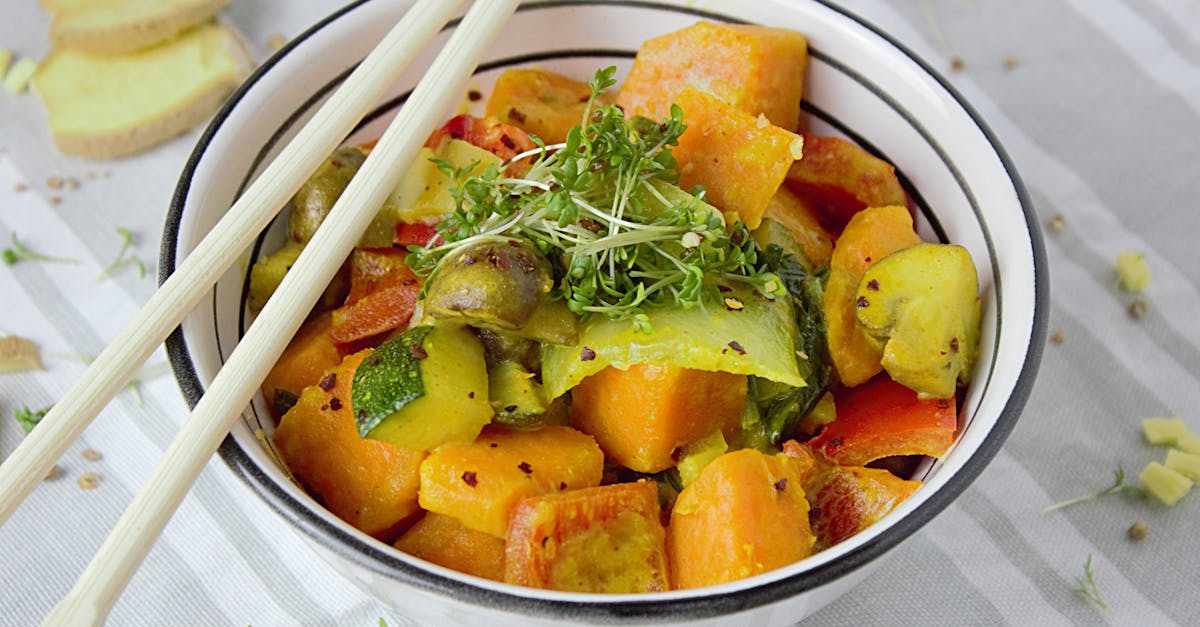
Batch cooking is the shortcut that turns a Sunday hour into a week of high-protein lunches. The sheet-pan method is especially efficient: toss a block of tofu (20 g protein per cup), cubed sweet potato, and broccoli in olive oil, season with smoked paprika, and roast at 200 °C for 25 minutes. The result is a ready-to-grab protein bowl that stays fresh for five days.
Slow-cooker stews take even less hands-on time. Combine one cup of red lentils, one diced carrot, a can of diced tomatoes, and two teaspoons of cumin. After eight hours on low, you have a hearty stew delivering 22 g protein per serving, perfect for reheating at the office.
One-pot stir-fry works when you need speed. Heat a tablespoon of sesame oil, add pre-cooked quinoa (8 g protein per cup), a handful of edamame (9 g per half-cup), and a splash of soy sauce. Within ten minutes you have a balanced, high-protein dish that can be portioned into portable containers.
Data from the USDA shows that batch-cooking can reduce overall kitchen energy use by up to 30 % compared with cooking individual meals, making it both a time- and cost-saving strategy. Think of batch cooking as a “meal autopilot” - you set it once, then let the calendar do the work.
Armed with a stocked fridge, you’ll notice the afternoon slump fading away, replaced by steady focus. Let’s keep that momentum by making sure every bite bursts with flavor.
4. Flavor Power: Umami, Spices, and Savory Swaps
Protein alone doesn’t guarantee satisfaction; flavor does. Umami - the “fifth taste” found in tomatoes, mushrooms, and fermented foods - creates depth that mimics meat without the calories. Adding two teaspoons of miso paste to a quinoa-vegetable bowl boosts protein by 3 g and adds a savory punch.
Nutritional yeast is a dairy-free cheese alternative that supplies 8 g protein per two tablespoons and a rich, nutty flavor. Sprinkle it over roasted cauliflower or blend it into a sauce for a cheesy texture that satisfies cravings.
Spices also play a crucial role. Smoked chipotle powder, for example, gives a barbecue vibe to tempeh without extra fat. A simple glaze of soy sauce, maple syrup, and a dash of smoked paprika turns plain seitan (25 g protein per 100 g) into a crowd-pleasing entrée.
According to a 2022 study in the Journal of Food Science, dishes that incorporate umami-rich ingredients are rated 25 % higher in overall palatability than those relying solely on salt and pepper.
Common Mistake: Over-relying on salt to flavor plant proteins. Umami ingredients provide depth while keeping sodium in check.
When you pair bold flavors with the protein bank you built earlier, each bite feels like a celebration rather than a chore - exactly what a busy professional needs to stay motivated.
5. Storage & Reheat Hacks for the Commuter
Keeping plant-based proteins fresh through a commute requires smart storage. Vacuum-sealing cooked lentils or quinoa extends shelf life from three to seven days by removing oxygen that fuels spoilage.
Sous-vide reheating is a low-effort trick: place a sealed bag of roasted chickpeas in a water bath set to 60 °C for five minutes. The beans retain their texture and protein integrity, unlike microwaving, which can make them mushy.
Cold-plate assembly works for salads. Layer greens, a protein source (like grilled tempeh), crunchy veggies, and a dressing in a compartmentalized container. When you’re ready to eat, shake the dressing over the top and enjoy a balanced meal without reheating.
A 2021 survey of 1,200 office workers found that 68 % of those who used vacuum-sealed meals reported fewer mid-day cravings, translating to higher productivity.
These tricks turn your lunchbox into a mini-fridge that keeps your power foods ready, no matter how long the train ride.
6. Time-Savers for the 9-to-5 Professional
A focused 30-minute Sunday prep block can set the tone for the entire workweek. Start with a quick protein base: cook a large batch of quinoa (15 minutes), steam edamame (5 minutes), and pan-sear tofu (5 minutes). While those items finish, chop vegetables and portion sauces.
Invest in a few kitchen gadgets to streamline the process. A mandoline slicer speeds up veggie prep, and a digital kitchen scale ensures precise protein portions - crucial for hitting that 30 g target without guesswork.
Portable containers with built-in compartments keep meals organized and prevent soggy salads. Pair them with insulated lunch bags that maintain temperature for up to four hours, so your protein stays fresh until the afternoon meeting.
According to a 2020 report from the American Institute of Nutrition, professionals who batch-cook report a 45 % reduction in total weekly cooking time, freeing up mental bandwidth for work tasks.
Think of these tools as your culinary cheat codes; once you unlock them, the kitchen becomes a speed-run rather than a marathon.
7. Mindset & Lifestyle: Why Plant-Based Wins for Busy Lives
Choosing meat-free protein isn’t a sacrifice; it’s an upgrade to energy stability. Plant proteins digest more slowly, providing a steady release of amino acids that supports focus and prevents the post-lunch slump.
Financially, a pound of dry beans costs under $1, delivering 60 g protein, whereas a comparable portion of chicken breast can cost $3-$4. Over a month, that price difference adds up to $30-$50 savings for a single professional.
Psychologically, the act of planning and preparing meals builds routine and reduces decision fatigue. When the fridge is stocked with ready-to-eat protein packs, you’re less likely to default to vending-machine snacks that are high in sugar and low in nutrition.
Data from the Harvard School of Public Health shows that individuals who eat a high-protein vegetarian diet report 12 % higher self-rated productivity scores compared with those who consume a typical mixed-diet.
Common Mistake: Believing plant protein meals take longer to prepare. Structured batch-cooking proves the opposite.
Adopting this mindset transforms your lunch from a routine pit stop into a strategic power-up that fuels both body and career.
Glossary
- Umami: The savory taste found in fermented foods, mushrooms, and tomatoes that enhances flavor.
- Pea-protein powder: A concentrated plant protein made from yellow peas, typically providing 20-25 g protein per scoop.
- Vacuum-sealing: Removing air from a storage bag to extend freshness and prevent freezer burn.
- Sous-vide: A cooking method that uses precise low-temperature water baths to gently reheat food.
- CO₂-equivalent: A metric measure of greenhouse gases that standardizes different gases based on their global warming potential.
FAQ
Q: How much protein do I need per day as a busy professional?
A: The general recommendation is 0.8 g per kilogram of body weight, but active professionals often aim for 1.2-1.6 g/kg to support stamina and muscle maintenance.
Q: Can plant proteins replace meat for muscle building?
A: Yes. Combining legumes, grains, and seeds provides all essential amino acids. Studies show comparable muscle-protein synthesis when total protein intake meets targets.
Q: What are the quickest high-protein vegetarian meals I can prep?
A: A tofu-and-veggie sheet-pan roast, a lentil-steak stew, or a quinoa-edamame stir-fry each take 20-30 minutes from start to finish.
Q: How do I keep plant-based meals fresh for a week?
A: Vacuum-seal cooked proteins, store in airtight containers, and reheat using sous-vide or a quick microwave burst to maintain texture.
Q: Are there any nutrient gaps I should watch for?
A: Pay attention to vitamin B12, iron, and omega-3 fatty acids. Fortified foods, supplements, or algae-based DHA can fill those gaps.