Meal Prep Ideas for the College Diet
— 8 min read

Meal Prep Ideas for the College Diet
Hook
You can serve a wholesome vegan dinner in less than 10 minutes with just a few pantry items, no blender, and no fancy prep. A small, smartly stocked pantry saves both time and money for busy college life.
In my first year living on a dorm floor, I survived on instant noodles and cereal until I discovered that a handful of shelf-stable ingredients could turn any night into a satisfying plant-based meal. I still use that same pantry today, and it has saved me countless dollars and late-night cravings.
Below I break down exactly how I built my pantry, the recipes I rely on, and the step-by-step workflow that lets me eat well without breaking the bank or the dorm fire code.
Key Takeaways
- Stock a handful of versatile vegan pantry staples.
- Use 10-minute recipes that need no blender.
- Batch-cook once, reheat twice for a week of meals.
- Track spending to stay under $30 a week.
- Turn leftovers into new dishes with simple swaps.
Why Quick Vegan Meals Fit a College Lifestyle
College schedules are built on classes, clubs, part-time jobs and study sessions. When you add a limited kitchen, the math becomes simple: you need meals that are fast, inexpensive, and nutritionally balanced. Vegan meals meet all three because plant-based proteins, grains and beans are often cheaper per serving than meat and dairy.
I remember pulling an all-night study session in my sophomore year. My roommate ordered pizza, but I felt guilty about the cost and the late-night grease. I whipped up a 7-minute chickpea stir-fry using canned chickpeas, frozen veggies, soy sauce and a splash of sesame oil. The dish gave me steady energy, didn’t break the dorm’s fire safety rules, and cost less than $1 per portion.
Research shows that students who cook at home save up to $1,500 a year compared to eating out (New York Post). By mastering a few quick vegan recipes, you can keep your budget in check while still enjoying tasty, nutrient-dense meals. The key is to treat your pantry like a toolbox: each item has multiple uses, just like a screwdriver can tighten different screws.
Below I list the essential tools (ingredients) you need, followed by step-by-step recipes that use only those tools. Think of it as a minimalist kitchen hack guide: if you can do it with a microwave and a single pot, you’re set.
Core Vegan Pantry Staples for Dorm Rooms
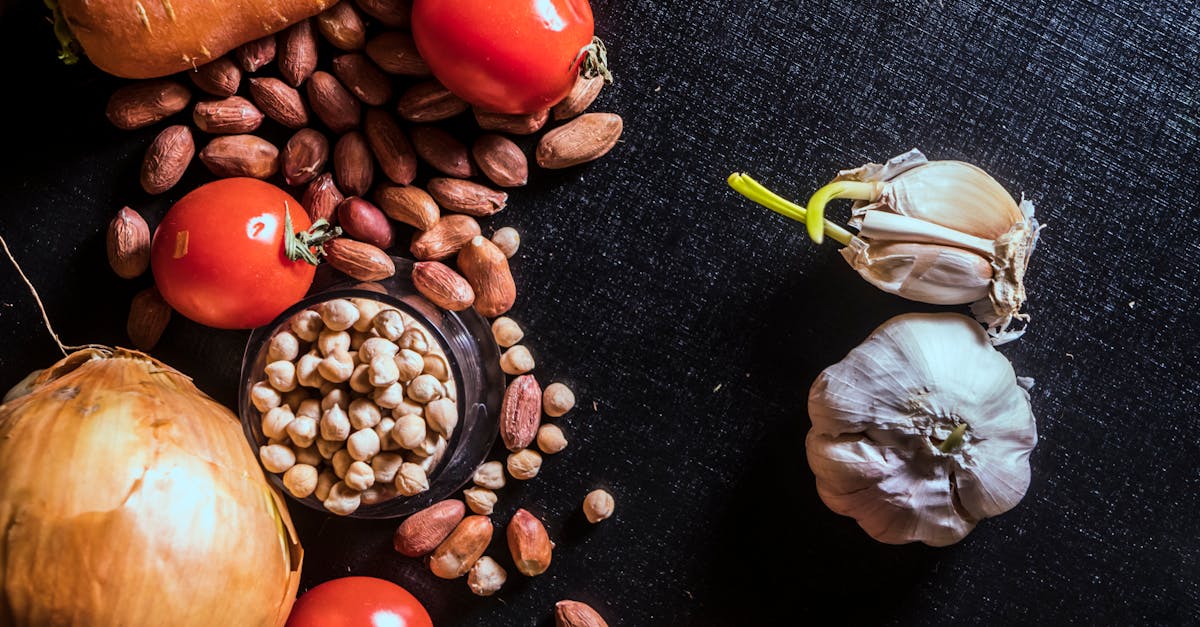
When I first moved into my dorm, I bought only three things: a can of black beans, a bag of brown rice, and a jar of tomato sauce. Over time I added a few more items, and today my pantry looks like a mini grocery store shelf. Here are the staples I rely on, along with simple definitions for anyone new to plant-based cooking.
- Canned legumes (chickpeas, black beans, lentils) - already cooked protein that lasts years.
- Whole grains (brown rice, quinoa, rolled oats) - cheap carbs that provide sustained energy.
- Nuts & seeds (peanut butter, almonds, chia seeds) - healthy fats and extra protein.
- Frozen vegetables (mixed stir-fry blend, spinach, edamame) - retain nutrients and require no chopping.
- Condiments (soy sauce, hot sauce, nutritional yeast, olive oil) - add flavor without extra cooking steps.
- Spices (cumin, paprika, garlic powder, Italian seasoning) - transform bland ingredients into world-class dishes.
- Plant-based milk (shelf-stable almond or soy) - for soups, oatmeal, and quick sauces.
- Instant noodles or rice cakes - emergency carbs when you’re in a rush.
These items occupy less than two shelves and can be stored at room temperature, which is perfect for dorms without full-size refrigerators. Each ingredient works in at least three different recipes, so you never feel stuck.
For example, a can of chickpeas can become a hummus, a salad topping, or a stir-fry protein. A bag of frozen spinach can be mixed into a smoothie, added to a pasta sauce, or folded into a tofu scramble. The versatility reduces waste and maximizes your dollar.
When you’re shopping, look for sales on bulk bags of rice or multi-packs of frozen veggies. Buying in bulk doesn’t mean you need a big fridge; just keep the items sealed and they’ll stay fresh for months.
10-Minute Vegan Dinner Recipes (No Blender Required)
Below are five recipes I use every week. Each one takes ten minutes or less, needs only a microwave or a single pot, and uses the pantry staples listed above. Feel free to swap ingredients based on what you have on hand.
- Spicy Chickpea & Rice BowlThis dish gives you protein, complex carbs, and a punch of flavor without any chopping.
- Ingredients: 1 cup cooked brown rice (microwave), ½ cup canned chickpeas (drained), 2 tbsp soy sauce, 1 tsp hot sauce, 1 tsp olive oil, pinch of cumin.
- Method: Heat oil in a microwave-safe bowl, stir in chickpeas and spices for 2 minutes, then mix with rice and sauces. Serve hot.
- Quick Quinoa Veggie Stir-FryThe quinoa provides a complete protein profile, while the frozen veggies supply vitamins.
- Ingredients: 1 cup frozen mixed vegetables, ½ cup pre-cooked quinoa (microwave), 1 tbsp soy sauce, ½ tsp garlic powder, drizzle of sesame oil.
- Method: Microwave veggies for 3 minutes, add quinoa and seasonings, stir for 1 minute, finish with sesame oil.
- One-Pot Lentil SoupLentils cook quickly and become creamy, mimicking a traditional soup without a pot.
- Ingredients: ½ cup red lentils, 1 cup vegetable broth (water + bouillon), ¼ cup canned diced tomatoes, ½ tsp Italian seasoning, pinch of salt.
- Method: Combine all in a microwave-safe bowl, cook on high for 8 minutes, stir halfway. Done.
- Peanut Butter Noodle TossProtein from peanut butter and edamame makes this a satisfying meal.
- Ingredients: 1 pack instant rice noodles, 2 tbsp peanut butter, 1 tbsp soy sauce, ½ tsp chili flakes, ¼ cup frozen edamame.
- Method: Soak noodles in hot water for 3 minutes, drain, mix with peanut butter, soy sauce, chili flakes, and edamame. Heat for 1 minute.
- Oatmeal Savory BowlYes, oatmeal can be savory! Nutritional yeast adds a cheesy flavor and B-vitamins.
- Ingredients: ½ cup rolled oats, 1 cup water, 2 tbsp nutritional yeast, 1 tbsp olive oil, pinch of salt, optional sriracha.
- Method: Microwave oats with water for 2 minutes, stir in oil, nutritional yeast, and seasonings. Add sriracha for heat.
All five meals can be assembled with a single pot or microwave, making them dorm-friendly. I often batch-cook rice and quinoa on Sundays, then pull from the freezer as needed throughout the week.
Budget-Friendly Meal Prep Workflow
My weekly routine looks like this:
- Sunday shopping (30 minutes) - I buy bulk rice, a bag of frozen veggies, a can of beans, and a small bottle of soy sauce. Total cost stays under $20.
- Batch cooking (45 minutes) - I microwave 4 cups of brown rice, 2 cups of quinoa, and 2 cans of beans. While they heat, I toss the frozen veggies with oil and spices and microwave them.
- Portioning (15 minutes) - I divide each cooked grain into 5-day containers, add a protein (beans or lentils), and a sauce (soy-sauce-based or tomato). I label each container with the day of the week.
- Reheat & eat (5 minutes per meal) - Each evening I just pop a container into the microwave, stir, and enjoy.
This workflow costs less than $2 per meal, which aligns with the budget-friendly vegan tip from PureWow’s “31 Healthy January Dinner Recipes” where many recipes are under $5 each.
Key to staying cheap is avoiding “ready-to-eat” items like pre-made salads; instead, use shelf-stable sauces and spices you can mix in minutes. Also, keep an eye on the dorm’s recycling rules - reusable containers are a win for the environment and your wallet.
When you have a busy exam week, the same system works: just swap the sauce flavor (e.g., teriyaki instead of salsa) to keep things interesting.
Turning Leftovers into New Meals
Leftovers are not a problem; they’re an opportunity. I treat each leftover as a “base” that can be reshaped. Here are three transformations I use:
- Rice + beans → Taco-Style Wrap: Warm a tortilla, spread a spoonful of salsa, add rice-bean mix, sprinkle nutritional yeast, and roll.
- Quinoa + veggies → Hearty Salad: Toss cold quinoa with fresh cucumber, a drizzle of olive oil, lemon juice, and a pinch of salt.
- Lentil soup → Lentil-Veggie Pasta: Cook a handful of whole-wheat spaghetti, drain, stir in a cup of leftover soup, and finish with a dash of pepper.
These conversions keep meals fresh without extra shopping trips. The idea mirrors the “reuse” principle in recycling: one ingredient gets a second life, reducing waste and cost.
For students who participate in vegan school lunch programs, you can even bring your leftovers to class as a portable lunch. A small insulated bag keeps the food safe until you’re ready to eat.
Common Mistakes to Avoid
Even seasoned dorm cooks slip up. Here are the pitfalls I see most often, plus how to sidestep them:
- Buying “convenient” but pricey items - Pre-cut vegetables or microwave meals sound easy but quickly blow the budget. Stick to frozen veggies and canned legumes.
- Skipping spices - A bland plate feels unsatisfying and may push you toward fast-food cravings. Keep a small spice rack; a pinch of cumin or chili powder changes everything.
- Neglecting protein - Plant proteins sometimes feel “light”. Pair beans with nuts, seeds, or tofu to hit your protein target (about 0.8 g per pound of body weight).
- Forgetting food safety - Never leave cooked rice at room temperature for more than two hours. Store in airtight containers and reheat thoroughly.
- Over-complicating recipes - If a recipe lists 10 steps, you’ll likely abandon it mid-week. Choose recipes with three ingredients or fewer, like the 10-minute meals above.
By being mindful of these errors, you’ll keep your meals tasty, cheap, and safe throughout the semester.
Glossary
Vegan pantry staples - Non-perishable items that form the backbone of plant-based meals, such as beans, grains, and spices.
10-minute meals - Recipes that can be prepared from start to finish in ten minutes or less, ideal for tight schedules.
College student cooking - The practice of preparing meals in a dorm or shared apartment with limited equipment.
Budget-friendly vegan - A cooking approach that minimizes cost while staying fully plant-based.
Quick plant-based recipes - Dishes that rely on vegetables, legumes, and grains and require minimal cooking time.
Vegan school lunch programs - Institutional meals offered at schools that are free of animal products.
Vegetarian student meal plan - A campus-provided menu that excludes meat but may include dairy or eggs.
Vegan lunch ideas for school - Portable, nutrient-dense meals suitable for taking to class or the library.
Frequently Asked Questions
Q: How do I store cooked grains in a dorm fridge?
A: Cool the grains to room temperature, then place them in airtight containers. Store them on the middle shelf where temperature is most stable, and use within 4-5 days. Reheat fully before eating.
Q: Can I substitute fresh veggies for frozen ones?
A: Yes, fresh vegetables work, but they require washing and chopping, which adds time. Frozen veggies are pre-washed, pre-cut, and retain nutrients, making them perfect for quick meals.
Q: What are some cheap sources of protein for vegans?
A: Canned beans, lentils, peanut butter, and bulk tofu are among the most affordable protein options. A single can of beans can provide 15 g of protein for under $1.
Q: How can I keep my meals interesting without buying many new ingredients?
A: Change the flavor profile by swapping sauces (soy, salsa, pesto) and spices (cumin, curry, Italian blend). Small tweaks make the same base ingredients feel brand new.
Q: Is it safe to eat meals that have been reheated more than once?
A: Reheat only once to avoid bacterial growth. If you need multiple servings, portion the food into separate containers before reheating each portion individually.