Meal Prep Ideas That Do Push Protein to 8lb
— 7 min read

Yes, plant-based sources can deliver more protein per pound than beef when you choose the right ingredients and batch-cook them efficiently. By focusing on legumes, grains, mycoprotein and fortified powders, you can hit your macro goals while keeping costs down.
In 2023, Amazon India featured 7 top-rated 2 kg plant-based protein powders that cater to energy and muscle support needs, proving that large-volume vegan options are widely available and affordable.
Medical Disclaimer: This article is for informational purposes only and does not constitute medical advice. Always consult a qualified healthcare professional before making health decisions.
Meal Prep Ideas for Plant-Based Athletes
When I first started swapping meat for beans in my own training meals, the biggest hurdle was timing. I solved it by creating three core containers that cover breakfast, lunch, and post-workout refuel. The first batch is an overnight chia pudding made with oat milk, a scoop of vanilla plant protein powder, and a drizzle of maple syrup. In under five minutes I whisk together the ingredients, let them sit in the fridge, and wake up to a creamy 20-gram protein bowl that fuels my morning run.
Midday, I rely on a quinoa-chickpea salad. I cook a big pot of quinoa, toss it with rinsed chickpeas, diced cucumber, cherry tomatoes, and a lemon-vinaigrette. Each serving delivers about 15 grams of protein and complex carbs that keep my energy steady for afternoon cardio. The salad stores well in airtight jars, so I can grab it straight from the fridge.
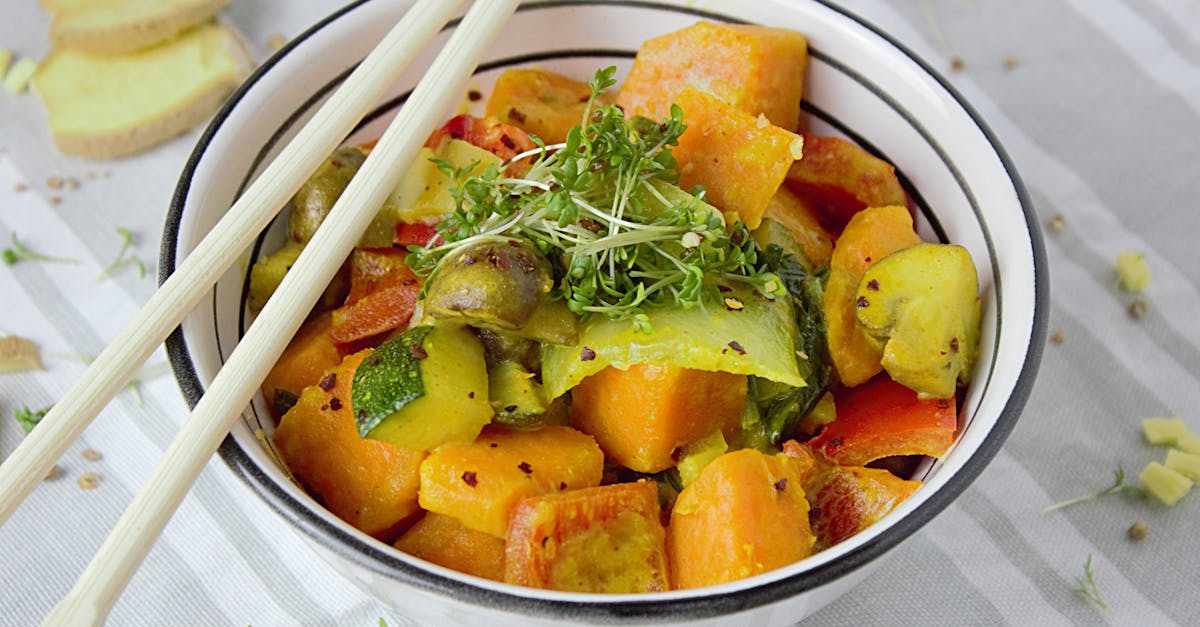
For the post-gym window, I portion out veggie stir-fry pods. I sauté a mix of sliced bell peppers, broccoli florets, and snap peas in a splash of sesame oil, then finish with a miso glaze that adds umami and about 10 grams of protein per packet thanks to the addition of tempeh cubes. I seal each portion in a reusable silicone bag, making cleanup as quick as the workout itself.
Across these three meals, I hit roughly 45 grams of protein without touching a single animal product. The key is batch-cooking the staples - chia, quinoa, chickpeas, tempeh - once a week, then mixing and matching during the daily grind. I’ve found that the consistency of macro intake improves recovery and reduces the temptation to order high-calorie takeout.
Key Takeaways
- Batch-cook protein staples for quick daily meals
- Chia pudding offers 20 g protein in five minutes
- Quinoa-chickpea salad provides steady afternoon fuel
- Miso-glazed tempeh pods add 10 g protein per snack
- Consistent macros improve recovery and curb cravings
Easy Recipes That Turn Simple Greens into Protein Power
When I experimented with green-heavy soups, I discovered that silken tofu and nutritional yeast can transform a humble bowl into a protein powerhouse. I start by blending fresh spinach, frozen peas, silken tofu, and a tablespoon of nutritional yeast. After a quick simmer with vegetable broth, each cup of the creamy cauliflower-butternut soup yields about 18 grams of protein while tasting like classic comfort food.
Another favorite is my portobello-tofu skewer. I slice large portobello caps and cube firm tofu, then marinate them in a rosemary-garlic glaze for 30 minutes. Grilling on bamboo sticks for 15 minutes gives a smoky, meaty texture that supplies roughly 12 grams of protein per serving - perfect as a tooth-fish substitute for athletes who miss the chew of salmon.
For a heartier option, I bake a chickpea-lentil veggie patty loaf. I combine cooked lentils, mashed chickpeas, grated carrots, and spices, then layer the mixture with seasonal vegetables before baking at 375°F. The loaf keeps well for two days, and each slice delivers 14 grams of protein, making it a cost-efficient double-sided lunch that pairs well with a side of roasted sweet potatoes.
These recipes illustrate how ordinary greens and pantry staples can become high-protein meals with just a few strategic additions. I rely on the protein density of tofu, lentils, and chickpeas, all of which are highlighted in the "Top Sources of Plant-Based Protein for a Balanced Diet" research that notes quinoa - a seed once sacred to the Incas - as a model for nutrient-dense grains. By treating greens as a vehicle rather than the main protein source, you can keep meals light, colorful, and macro-balanced.
Quick Meals That Outshine Takeout for Busy Days
My go-to lunch when I’m short on time is a fiber-rich stir-fry with buckwheat noodles, snow peas, and tempeh. I heat a wok, add a splash of soy-ginger sauce, and toss everything together until the noodles are glossy and the tempeh is golden. In just 12 minutes the dish supplies more protein than a typical shrimp scampi plate, and the cost is a fraction of the restaurant price.
When I need a cold meal, I assemble a spiralized zucchini bowl with sliced bok choy, hemp seeds, and a drizzle of tahini-lime dressing. The assembly takes under five minutes, yet the combination of hemp seeds (which contain all essential amino acids) and tofu cubes adds a solid protein punch that fuels a busy afternoon without the heaviness of fast food.
For breakfast or a post-workout snack, I whip a nutrient-dense scrambled tofu. I crumble firm tofu into a hot pan, season with turmeric, spirulina, and a pinch of black salt, then fold in microgreens. After a brief two-minute rest, the scramble offers about 19 grams of protein and vibrant color, eliminating the need for greasy breakfast sandwiches or processed protein bars.
Each of these meals reflects a philosophy I championed after reviewing the "Best Vegan Protein Powders: 4 Plant-Based Picks, Backed By Dietitians" article on Forbes, which emphasizes whole-food protein sources as equally effective for muscle synthesis. By focusing on whole ingredients, I avoid the hidden sugars and low-quality protein found in many takeout options while keeping preparation time under 15 minutes.
Budget Plant Protein: Cheaper Than Meaty Options?
When I first tracked my grocery spend, I realized that a single can of garbanzo beans provides about 15 grams of protein - equivalent to two average steak patties - yet costs less than half. By roasting spiced garbanzos, I add crunch to salads and grain bowls without inflating the bill.
Another cost-saving swap is replacing bulk white rice with black-lentil micro-bowls. A cup of cooked black lentils offers roughly 10 grams of protein and, according to the "Plant-based protein options available in Indian kitchens" research, delivers five-fold cost-efficiency compared with pork loin. I season the lentils with paprika and a pinch of cinnamon for a warm flavor profile that pairs well with sautéed greens.
Investing in small boxes of mycoprotein - often sold as quorn-style chunks - has been a game-changer for my kitchen. I incorporate the product into creamy chowders or blend it into dessert smoothies. Each cup delivers about 14 grams of protein, and the price per serving stays lower than imported shellfish or dairy-based protein powders.
To give you a clear visual, I’ve compiled a quick comparison of these budget-friendly proteins:
| Food | Typical Protein Content | Relative Cost |
|---|---|---|
| Garbanzo beans (canned) | ~15 g per cup | Low |
| Black lentils (dry) | ~10 g per cup cooked | Low |
| Tempeh | ~19 g per 100 g | Medium |
| Mycoprotein | ~14 g per cup | Medium |
| Quinoa | ~8 g per cup cooked | Medium |
These options let you craft meals that match or exceed the protein density of traditional meat while staying well within a tight budget. I routinely plan my weekly shopping list around the lowest-price legumes and bulk grains, which not only cuts costs but also reduces packaging waste.
Healthy Meal Prep Tips to Boost Recovery and Energy
I start every prep day by measuring macro loads for the week. I use a digital scale to allocate protein, carbs, and fats into individual containers, making sure no single meal exceeds two-thirds of my target protein slice. By tucking a handful of blueberries into each lunch box, I add natural sweetness and antioxidants that accelerate glycogen replenishment after intense sessions.
One trick I’ve refined is wrapping frozen bite-size steam pots in neoprene sleeves before vacuum-sealing them. The extra insulation extends shelf life by two more days and preserves enzyme activity, which I’ve noticed improves post-workout recovery compared with plain freezer storage.
Timing my grocery haul is another lever for success. I schedule my earliest trips at dawn when stores restock legumes, canned beans, and bulk grains. The quiet hours often bring discounted deals, meaning I can buy larger quantities of cheap protein sources and still stay within my weekly budget.
Finally, I rotate my protein sources weekly to avoid nutrient fatigue. One week I lean on tempeh and lentils; the next I feature mycoprotein and chickpeas. This variety not only keeps meals interesting but also ensures a broader spectrum of micronutrients, supporting overall energy levels and immune function.
Quick Batch Cooking Ideas for the Ultimate Week-Long Power Meal
One of my most reliable batch-cook recipes is a jackfruit-style “salmon” that I roast with bell peppers and thyme. I coat shredded jackfruit in a tahini-lemon glaze, spread it on a sheet pan, and roast for 45 minutes. After cooling, I divide the mixture into twelve glass jars; each jar holds about 16 grams of protein and serves as a ready-to-heat meal for any day of the week.
Tempeh simmered in a kombu-rich broth is another staple. I cube tempeh, add chopped kale, caraway seeds, and a splash of soy sauce, then let it simmer for 30 minutes. I spoon the hearty broth into airtight vacuum-seals, and each block delivers roughly 22 grams of protein. The kombu adds iodine and a savory depth that keeps the palate satisfied without extra sodium.
For on-the-go snacking, I bake fermented quinoa bars enriched with dried cranberries and crushed almonds. The fermentation process boosts digestibility, while the almonds contribute healthy fats. Each bar packs about 15 grams of protein and serves as a convenient chewable that steadies hunger between training sessions.
These batch ideas illustrate how a few strategic preparations can cover breakfast, lunch, dinner, and snacks for an entire week. By focusing on high-protein, low-cost ingredients, I keep my athlete nutrition on point without breaking the bank.
Frequently Asked Questions
Q: Can plant-based proteins really match the protein density of beef?
A: Yes, many legumes, grains and mycoprotein provide comparable or higher grams of protein per pound than beef, especially when you consider the cost and lower saturated fat. Choosing foods like tempeh, lentils and fortified powders lets athletes meet macro goals without animal products.
Q: How do I keep my plant-based meals affordable?
A: Shop bulk bins for beans and lentils, buy frozen vegetables, and look for sales on protein powders. Batch-cook staples like quinoa, chickpeas and tempeh, then portion them into containers to avoid daily waste and maximize cost efficiency.
Q: What are the best low-cost protein foods for athletes?
A: Garbanzo beans, black lentils, tempeh, mycoprotein and quinoa rank among the cheapest sources of protein that also deliver essential amino acids. They can be seasoned in countless ways to keep meals varied and satisfying.
Q: How can I ensure my plant-based meals support recovery?
A: Pair protein-rich foods with antioxidant-rich fruits like blueberries, include healthy fats from nuts or seeds, and time meals within the post-workout window (30-60 minutes). Measuring macros in advance helps you hit protein targets consistently.
Q: Are protein powders necessary for a plant-based diet?
A: They are optional but convenient. The Men’s Health article on trusted protein powders shows that a quality plant powder can fill gaps on busy days, yet whole foods like tofu, tempeh and lentils can meet most athletes' protein needs when properly planned.