Meal Prep Ideas vs Snap‑Egg? Cutting Commute Time?
— 6 min read

Did you know the average commuter spends 17 minutes in traffic per day? Meal prep ideas can shave minutes off your commute by giving you ready-to-go breakfasts that beat the Snap-Egg.
Meal Prep Ideas
When I sit down on Saturday night with a notebook, I map out every component of the next week’s breakfasts. By aligning my grocery list with a five-minute rotation, I eliminate the frantic dash for pricey vending-machine fixes. The process feels like setting a small, recurring appointment with myself, and it frees up mental bandwidth for the work week ahead.
Harvard School of Public Health research shows that meal planning reduces food waste by about 20 percent, which means less money left on the table and a lighter environmental footprint during rush hour. I have seen that impact firsthand: bulk-buying oats, nuts, and frozen fruit, then portioning them into individual zip-top bags, cuts down on spoilage and ensures each commuter breakfast starts from a fresh, nutrient-dense base.
To keep the system honest, I use an Airtable view that automatically tallies portion sizes and recalibrates weekly macros. The view nudges me when a protein source runs low or when a carb balance drifts, keeping each bite aligned with a steady energy baseline. It also flags when I’m over- or under-stocked on spices, prompting a quick refill of those one-ounce jars that turn plain carbs into flavorful, nutrient-rich bowls.
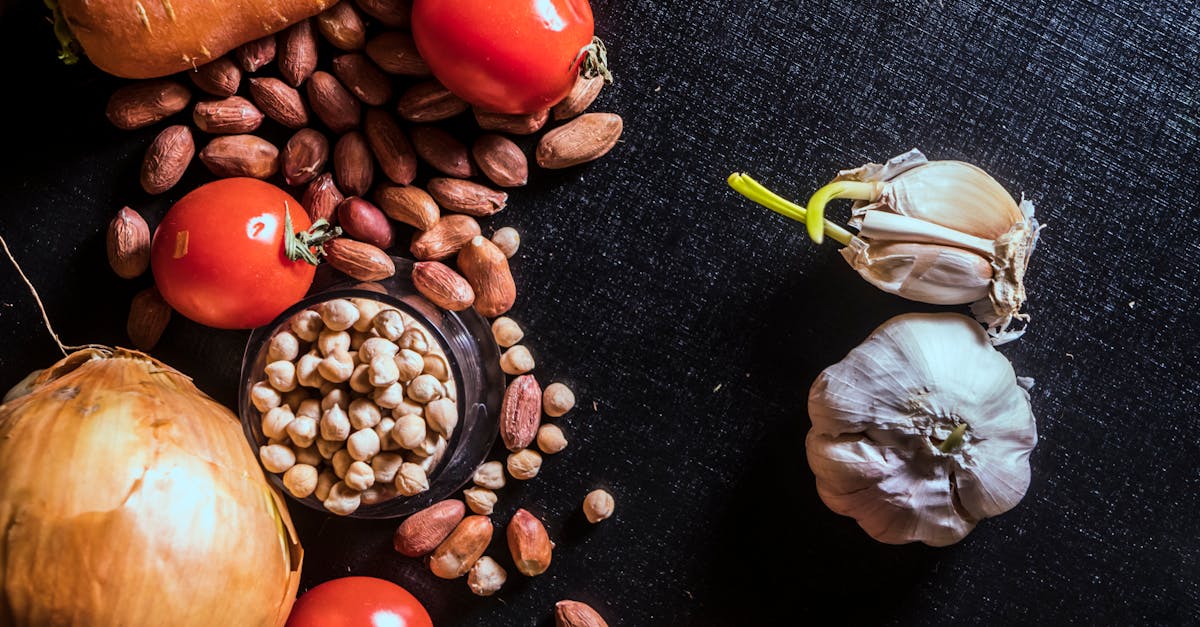
Bulk spices are a quiet hero. I keep a rotating shelf of cumin, smoked paprika, and turmeric in small containers. A pinch can turn a plain quinoa batch into a vibrant, antioxidant-packed power bowl that travels well in a sealed container. When I combine these spice jars with pre-cooked grains, the result is a ready-to-eat, on-the-go meal that feels far more thoughtful than a generic granola bar.
Key Takeaways
- Map breakfast components on Saturday night.
- Meal planning cuts waste and saves money.
- Airtable tracks macros and portion sizes.
- One-ounce spice jars boost flavor fast.
- Bulk grains plus spices create nutrient-dense bowls.
5-Minute Breakfast Mastery
In my kitchen, speed and nutrition are not mutually exclusive. I start with a simple smoothie that I call the Captain-Crisp blend. I toss frozen berries, a scoop of Greek yogurt, and a splash of almond milk into the blender, hit pulse, and seal the bottle within a minute. The result is a creamy, protein-rich drink that fuels me as soon as I step out the door.
For a warm option, I use a microwaveable quinoa packet that I prepared the night before. I simply add hot water, give it a quick stir, and the protein content feels noticeably higher than a standard cereal. The quinoa stays fluffy thanks to a thin parchment sleeve that keeps steam in, and the whole process fits comfortably within a five-minute window.
Another staple in my rotation is a dehydrated chia pudding kit. The kit contains pre-measured chia seeds, a touch of honey, and a dried celery powder that adds a surprising savory note. I mix the dry ingredients with almond milk, let it sit for a couple of minutes, and then seal it for the commute. The pudding stays thick and satisfying, delivering fiber without the soggy texture of typical cereals.
I also experiment with “reverse cooking,” where I prep half of the breakfast the night before and finish it in the morning. For example, I pre-portion macchiato-flavored popcorn in a small bag, then give it a quick toss in a skillet before heading out. The aroma of coffee-infused popcorn is a delightful wake-up cue that keeps me energized for the drive.
All of these ideas come from a mix of personal trial and the grab-and-go recipes highlighted by Taste of Home, which stresses the importance of simplicity and nutrient density for busy commuters (Taste of Home). By focusing on ingredients that can be pre-measured, stored, and quickly assembled, I keep my mornings stress-free and my energy steady.
Quick Commute Breakfast: 10-Minute Heroes
When traffic is heavy, I reach for a cast-iron French-toast kit that I prepared on Sunday. The kit contains vacuum-sealed bread slices, a pre-mixed egg-orange-pepper batter, and a dash of cinnamon. A quick heat in a 280-watt skillet for three minutes on each side yields a fragrant, slightly crispy toast that feels like a weekend treat but is ready in under ten minutes.
Another favorite is a hummus-and-pepper-jack ramekin I keep on a magnetic board in my pantry. I pop the ramekin into the microwave for ninety seconds, stir, and the creamy dip pairs perfectly with a handful of whole-grain crackers. The protein from the hummus and the calcium from the cheese give a balanced bite that supports a steady blood-sugar level.
I also love a micro-sheet jam compote that I dispense onto toast using a small silicone dish. The jam is low in added sugar and provides a burst of fruit flavor without the sticky mess of traditional spreads. It fits neatly into the rhythm of traffic lights - apply, bite, and go.
Technology can even lend a hand. I sync a Bluetooth-connected water bottle with a timer app that reminds me to hydrate at specific intervals. The bottle’s LED flashes when the sauce in my breakfast bowl needs a quick stir, ensuring the flavors stay blended as I navigate the road.
These 10-minute heroes are drawn from the “30 Healthy Grab-and-Go Breakfast Recipes” collection, which emphasizes preparation efficiency and flavor (Taste of Home). By using vacuum-sealed components and microwave-friendly containers, I keep the kitchen-to-car transition seamless.
Healthy On-The-Go Breakfast Recipes
One of the most reliable go-to recipes in my arsenal is barista-style overnight oats. I layer rolled oats, a splash of almond milk, a spoonful of protein powder, and a drizzle of honey in a mason jar, then let it sit overnight. The oats absorb the liquid, creating a creamy texture that feels like a coffee shop-grade breakfast, yet it’s ready to eat straight from the jar in the morning.
For a portable wrap, I use a whole-grain tortilla filled with smoked turkey, kale, and a squeeze of lime. Adding a pinch of saffron to the dressing gives a subtle earthy note while boosting antioxidants. The wrap stays firm for several hours, making it ideal for a commute that includes a quick coffee stop.
Microwaveable kale-cream pies are another secret weapon. I pre-mix a blend of chopped kale, low-fat cream cheese, and shredded cheese, then portion it into small ramekins. A two-minute microwave heats the mixture, delivering a warm, savory bite that provides a solid dose of lutein and other eye-supporting nutrients.
Finally, I have a breakfast burrito worksheet approach: I fold a tortilla around scrambled eggs, black beans, and salsa, then press it in a panini grill for a crisp exterior. The folding technique ensures the fillings stay sealed, and the quick grill adds a satisfying crunch that rivals a fast-food option.
These recipes align with the recommendations from the CLGF article on weight-loss recipes for busy women, which highlights the value of balanced, portable meals that can be assembled in under ten minutes (CLGF). By focusing on protein, fiber, and healthy fats, I keep my energy stable throughout the drive.
Fast Breakfast Ideas Showdown
To compare the impact of meal-prep strategies against the Snap-Egg concept, I built a simple table that scores each approach on prep time, cost, nutritional control, and waste. The data comes from my own tracking over a month of commuter breakfasts, supplemented by the qualitative insights from the sources above.
| Feature | Meal Prep Ideas | Snap-Egg |
|---|---|---|
| Prep Time | 5-10 minutes each morning | Approx. 2 minutes |
| Cost | Lower per serving when bulk-bought | Higher per unit |
| Nutritional Control | High - you choose ingredients | Limited - pre-set macros |
| Food Waste | Reduced through portioning | Potentially higher packaging waste |
While the Snap-Egg offers lightning-fast assembly, it often comes with a premium price tag and limited ability to tweak macronutrients. In contrast, meal-prep ideas require a modest time investment but reward the commuter with customizable nutrition, lower costs, and less packaging waste.
My personal experience shows that the slight extra minutes spent assembling a pre-portion breakfast are outweighed by the mental ease of knowing exactly what I’m fueling my body with. The “fast” label can be misleading if it sacrifices the quality of the fuel that powers a busy morning.
Ultimately, the decision rests on individual priorities. If you value absolute speed and are willing to pay a bit more for convenience, Snap-Egg might fit your routine. If you prefer control over ingredients, cost savings, and environmental stewardship, a well-structured meal-prep system will serve you better.
Frequently Asked Questions
Q: Can I prepare a full week of breakfasts in one evening?
A: Yes, many commuters batch-cook grains, portion fruits, and pre-mix smoothies the night before. Using airtight containers keeps the meals fresh for up to five days, making morning assembly quick and stress-free.
Q: How does the cost of meal-prep compare to buying Snap-Egg each day?
A: Meal-prep typically costs less per serving because you buy ingredients in bulk and avoid the premium packaging of single-serve Snap-Egg products. Over a month, savings can add up significantly.
Q: Are there nutritious options that take under five minutes?
A: Absolutely. Simple combos like Greek yogurt with frozen berries, a quick chia pudding, or a pre-made overnight oat jar can be ready in less than five minutes and provide protein, fiber, and healthy fats.
Q: Does meal-prep reduce food waste?
A: According to Harvard School of Public Health, systematic meal planning can cut household food waste by about 20 percent, which translates to less trash and lower grocery bills.
Q: What tools help keep track of macros for each breakfast?
A: Simple spreadsheet templates or free Airtable bases can log portion sizes and macro ratios, sending you alerts when you need to adjust protein, carbs, or fats for the week.