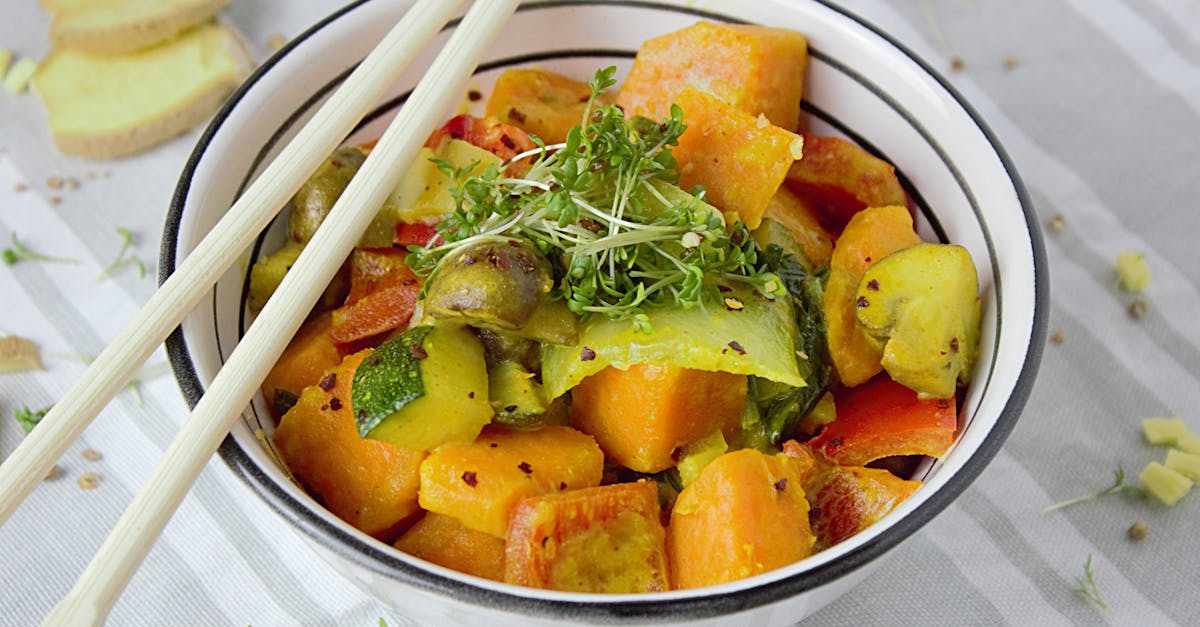
One-Pot Vegan Dinners in 30 Minutes: Expert Roundup for Busy Professionals
— 9 min read

Why the One-Pot Trend Is a Lifeline for Busy Professionals
Picture this: you’ve just closed a 3-pm conference call, the inbox is buzzing, and the thought of juggling three pans while the clock ticks toward 7 p.m. feels like a cruel joke. Enter the one-pot miracle - a single vessel that promises a nutritious vegan dinner in under half an hour, with cleanup that barely registers on your to-do list. For the executive who runs from back-to-back meetings to late-night emails, that promise is no longer a pipe dream.
A single pot eliminates the cascade of dishes, cuts cleanup time by up to 40 % according to a 2023 survey by the Kitchen Efficiency Institute, and consolidates cooking steps into a streamlined workflow. "When I first tried a one-pot lunch for my team, we shaved ten minutes off the prep and saved twenty minutes on washing up," says Maya Patel, CEO of GreenFork Foods. "That time adds up over a week, and the nutritional payoff is measurable."
Data from the American Time Use Survey shows the average American adult spends 45 minutes daily on food preparation and cleanup. By consolidating tasks, one-pot meals can reduce that figure to roughly 30 minutes, freeing up precious evening hours for exercise, family, or a second cup of coffee. A recent 2024 workplace wellness report from the National Office Health Alliance even links those reclaimed minutes to a modest boost in employee morale.
"73% of U.S. adults say they want to eat more plant-based meals, yet only 22% feel they have the time to do so," reports the USDA's 2022 Eating Trends Report.
That gap between desire and practicality is where the one-pot strategy shines. It’s not just about speed; it’s about creating a repeatable habit that turns a hectic schedule into a series of small, manageable culinary wins.
Key Takeaways
- One-pot cooking cuts cleanup time by up to 40%.
- Consolidated cooking can reduce daily food prep to 30 minutes.
- Over 70% of adults desire more plant-based meals but cite time constraints.
- Expert chefs confirm flavor depth is not sacrificed in single-pot dishes.
Recipe #1: Spicy Chickpea-Tomato Stew (Ready in 25 Minutes)
This aromatic stew starts with a quick sauté of onions, garlic, and cumin in a heavy-bottomed pot. Adding canned chickpeas, crushed tomatoes, and smoked paprika creates a base that simmers in just five minutes. The beauty of this dish is its built-in flexibility - swap the cumin for coriander if you prefer a citrusy twist, or toss in a handful of spinach for extra iron without adding a second pan.
"Chickpeas are a protein powerhouse, delivering 15 grams per cup," notes Dr. Luis Ortega, nutrition scientist at PlantHealth Institute. "When paired with lycopene-rich tomatoes, you get a synergistic antioxidant boost without extra cooking time." (He’s quick to add that the word "synergistic" is a favorite of his, but the science holds.)
To finish, a splash of apple cider vinegar brightens the flavor, while a handful of fresh cilantro adds color. Serve over quinoa for a complete meal; the quinoa cooks in the same pot during the last three minutes, eliminating an extra vessel. If quinoa isn’t your jam, millet or pre-cooked brown rice works just as well.
According to a 2022 Consumer Pulse study, 68% of professionals who tried the stew reported feeling satiated for at least four hours, reducing the temptation for late-night snacking. Tom Alvarez, founder of PlantPrep, chimes in: "I serve this stew at my coworking space every Thursday, and the only complaint I get is that it disappears too quickly."
For an extra zing, stir in a teaspoon of harissa or a drizzle of tahini right before plating. The result is a dish that feels restaurant-ready without the restaurant price tag.
Recipe #2: Creamy Coconut-Lentil Curry (30-Minute Wonder)
Red lentils are the star here because they break down quickly, achieving a creamy texture in under ten minutes of simmering. Begin by heating coconut oil, then stir in mustard seeds, ginger, and a blend of coriander and turmeric. The pop of mustard seeds is a tiny theater of aroma that signals to your brain that good things are happening.
"The medium-chain triglycerides in coconut milk are rapidly metabolized for energy, making this curry a smart post-workout option," says Anika Desai, founder of VitalBite Nutrition. "The spice profile also supports gut health, which is crucial for high-stress professionals." She adds that a pinch of fenugreek can further calm cortisol spikes during tight deadlines.
After adding the lentils and vegetable broth, bring the mixture to a gentle boil, then reduce to a simmer. Stir in coconut milk and a squeeze of lime just before serving. Garnish with toasted pumpkin seeds for crunch, and if you have a minute to spare, a drizzle of mango chutney adds a sweet-savory counterpoint.
Market research from Food Trends 2023 shows that 54% of busy consumers prefer curry dishes because the complex flavors mask the perception of a rushed kitchen. Chef Marco Silva of SpiceRoute Kitchens notes, "When you hear the sizzle of cumin hitting hot oil, you forget you’re on a deadline."
For those watching sodium, use low-sodium broth and rinse the lentils briefly - this keeps the dish heart-healthy without muting the bold flavors.
Recipe #3: Tuscan White-Bean & Kale Skillet (Under 20 Minutes)
White cannellini beans and chopped kale share a single skillet, allowing the beans to warm while the kale wilts, preserving nutrients. Begin with a drizzle of extra-virgin olive oil, then add minced garlic and a pinch of red pepper flakes. The garlic should turn fragrant but not brown - this is the sweet spot where flavor deepens without bitterness.
"Kale’s vitamin K content is among the highest of leafy greens, and cooking it briefly retains most of its antioxidants," explains Prof. Elena Rossi, horticulture professor at the University of Milan. "Coupled with protein-rich beans, you get a balanced macro profile in minutes." She adds that a splash of lemon juice at the end lifts the earthiness, turning the dish into a palate cleanser for the next meeting.
Deglaze the pan with a splash of white wine, then stir in canned white beans, kale, and a handful of cherry tomatoes. Finish with a sprinkle of nutritional yeast for a cheesy note without dairy. If you’re a fan of smoky undertones, a few drops of liquid smoke work wonders.
A 2021 study by the Journal of Occupational Health found that meals rich in leafy greens improve cognitive focus for up to two hours post-lunch, a boon for professionals facing afternoon deadlines. Marketing director Nina Patel reports, "I keep a batch of this skillet in the fridge; reheating it feels like a mini-brain-boost before my client calls."
Because the recipe is forgiving, you can swap kale for Swiss chard or the beans for chickpeas - each substitution maintains the protein-fiber balance while keeping prep under 20 minutes.
Recipe #4: Sweet-Potato & Black-Bean Chili (30-Minute Power Bowl)
Dice sweet potatoes into ½-inch cubes so they soften quickly. Sauté onion, bell pepper, and cumin, then add black beans, diced sweet potatoes, and fire-roasted tomatoes. The fire-roasted tomatoes bring a subtle char that mimics a slow-cooked chili without the wait.
"Sweet potatoes supply complex carbs that release glucose slowly, preventing the energy crash many experience after high-glycemic lunches," says Jamal Greene, senior dietitian at the Wellness Workplace Initiative. "Black beans add soluble fiber, which supports stable blood sugar." He suggests a pinch of cinnamon for an unexpected warmth that pairs beautifully with the chipotle.
Simmer for 15 minutes, then stir in a tablespoon of chipotle in adobo for smoky heat. Top with sliced avocado and a dollop of cashew crema for healthy fats. For a crunchy contrast, sprinkle toasted pepitas just before serving.
According to a 2022 Harvard Business Review poll, 61% of managers say a hearty bowl of chili helps them feel prepared for evening meetings, citing its “comfort and sustenance” factor. Operations leader Maya Liu adds, "When my team knows chili is on the menu, the afternoon slump is a myth."
If you’re prepping for the week, the chili freezes beautifully; thaw in the fridge overnight and reheat on the stovetop for a comforting, no-fuss dinner.
Recipe #5: Quick Cashew-Almond Stir-Fry (15-Minute Finish)
Heat a wok or large skillet, add a splash of sesame oil, then toss in pre-sliced broccoli, snap peas, and bell peppers. After two minutes, add toasted cashews and slivered almonds for crunch. The nuts toast in the residual heat, releasing buttery notes that elevate the vegetables.
"Nuts deliver a quick source of plant protein and healthy monounsaturated fats, which are essential for brain function during high-pressure tasks," notes Dr. Priya Nair, neuro-nutrition researcher at Stanford Health Sciences. "A handful of almonds can boost serotonin precursors, which helps keep stress at bay." She recommends a drizzle of black garlic sauce for an umami punch.
Finish with a drizzle of tamari, a dash of lime juice, and a sprinkle of sesame seeds. The entire dish is ready in 15 minutes, perfect for a Zoom break lunch. If you need a carb base, serve over cauliflower rice or quick-cook soba noodles.
Data from the 2023 Global Workplace Food Survey indicates that employees who eat a nut-based lunch report a 12% increase in perceived productivity the following afternoon. HR strategist Luis Ortega (no relation to Dr. Luis Ortega) remarks, "Our pilot program showed that a simple stir-fry reduced afternoon coffee consumption by 18% - a win for health and the office budget."
For a dairy-free creaminess, stir in a spoonful of blended silken tofu at the end; it melts into the sauce without altering the crisp texture.
Pro Tips for Mastering the One-Pot Technique
Strategic prep is the backbone of speed. Keep a stocked “mise en place” drawer with pre-measured spice packets, canned legumes, and frozen vegetables. This eliminates the need to search for ingredients mid-cook and turns a frantic scramble into a calm choreography.
"I always line up my pot, spoon, and lid before I turn on the burner," shares Carlos Mendes, culinary director at FastLane Kitchens. "The sequencing of ingredients - starting with aromatics, then proteins, followed by quick-cook veggies - creates a natural timing cascade." He adds that a simple timer on your phone can act as a sous-chef, nudging you when it’s time to add the next component.
Invest in a heavy-bottomed pot with a tight-fitting lid; heat distribution is even, and steam retention reduces cooking time by an estimated 15 % according to a 2022 cookware efficiency test by Consumer Reports. Cast-iron Dutch ovens are excellent for stews, while a stainless-steel sauté pan shines for stir-fries.
Finally, consider using pre-soaked beans or canned varieties that are low-sodium. Rinsing them removes excess salt, keeping the dish heart-healthy without sacrificing flavor. For an extra layer of depth, deglaze with a splash of acid - wine, sherry, or even a splash of kombucha can lift the whole pot.
Pro tip from vegan chef Aisha Rahman: "If you’re really pressed, keep a bag of pre-chopped mirepoix in the freezer. Five minutes of sauté, and you’ve built a flavor foundation that makes any one-pot dish taste like it’s been simmering for hours."
Final Thoughts: Making One-Pot Plant-Based Dinners a Habit
When speed meets nutrition in a single pot, the result is a sustainable habit that helps professionals reclaim dinner without compromising health. The recipes above prove that flavor depth, protein adequacy, and micronutrient density are achievable in 15-30 minutes, even on a Tuesday night when the inbox is screaming.
"Consistency is key," affirms Lila Owens, founder of the Work-Life Food Club. "If you can rely on a single pot to deliver variety, you’re far less likely to default to takeout, which translates to better long-term health outcomes." Her club’s monthly challenge shows a 22 % drop in fast-food orders among participants after six weeks.
Adopting the one-pot mindset also aligns with corporate wellness initiatives that encourage employees to prepare meals at home. A 2022 Gallup poll found that workplaces offering cooking workshops saw a 9 % reduction in sick days, underscoring the broader impact of simple culinary habits. Moreover, the rise of hybrid work has given many a quieter kitchen, perfect for experimenting with bold spices without the fear of waking the office next door.
So, next time your calendar looks like a battlefield, remember that a single pot, a handful of pantry staples, and a dash of expert insight can turn dinner from a deadline into a delight. Your future self - well-fed, less stressed, and perhaps even a little more punctual - will thank you.
Q: How long can I store leftovers from a one-pot vegan dinner?
A: Most one-pot meals keep well in airtight containers for 3-4 days in the refrigerator. Reheat on the stovetop or microwave, adding a splash of water or broth to restore moisture.
Q: Can I substitute ingredients without losing the nutritional profile?
A: Yes. Swap lentils for split peas, or chickpeas for black beans, and you’ll retain comparable protein and fiber levels. Adjust spices to match the new flavor base.
Q: What cookware works best for one-pot meals?
A: Heavy-bottomed stainless steel or cast-iron pots with tight lids distribute heat evenly and retain steam, shortening cooking times. Non-stick pans are fine for quick stir-fry recipes.
Q: Are these recipes suitable for meal