Quick Breakfast Ideas vs Meal Prep Ideas Which Wins?
— 7 min read

Quick breakfast ideas win for speed, but meal-prep ideas win for variety and cost savings. In 1957, Burger King introduced the Whopper, showing how a single new item can shift a menu’s focus. Both approaches help busy people start the day right without spending 20 minutes in the kitchen.
Meal Prep Ideas
Key Takeaways
- Group ingredients by theme for easy reheating.
- Pack protein, carb, and two veg portions per container.
- Label with dates and quick recipe notes.
- Batch-cook once, eat all week.
- Save time and reduce decision fatigue.
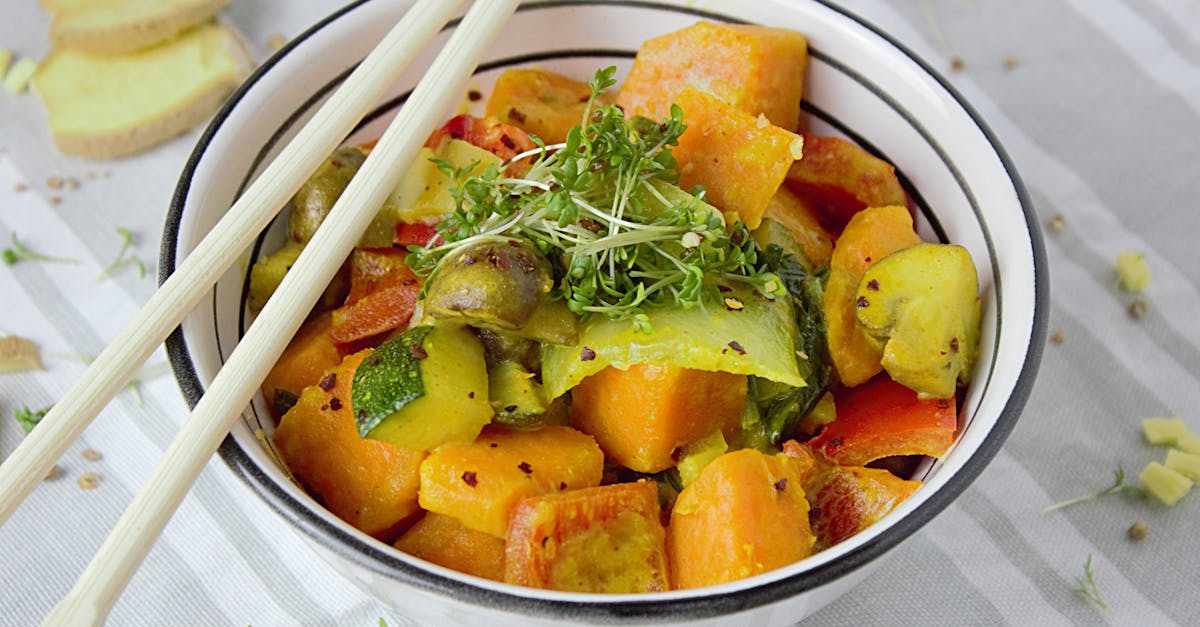
When I first tried batch cooking, I started by sorting my pantry into three themes: grain bowls, stir-fry packs, and protein-forward salads. By grouping ingredients like quinoa, roasted sweet potatoes, and marinated chicken into separate airtight containers, I created a modular system that lets me mix and match without extra prep.
Here’s how I assemble a typical meal-prep container:
- Protein: 4-ounce grilled chicken, baked tofu, or a hard-boiled egg.
- Carb: ½ cup cooked quinoa, brown rice, or whole-grain pasta.
- Veg #1: Steamed broccoli, roasted carrots, or sautéed kale.
- Veg #2: Fresh cherry tomatoes, sliced bell peppers, or shredded cabbage.
After I portion everything, I drizzle a simple sauce - olive oil, lemon, garlic, and a pinch of salt - over the top. The sauce stays on the veggies and protein, so when I reheat the bowl in the microwave, everything tastes as if it were freshly cooked.
Labeling is a game-changer. I write the date, the main protein, and a quick note like "add soy sauce before eating" on a sticky tag. On Monday morning I can glance at the fridge, grab the "Chicken-Quinoa-Broccoli" jar, and know exactly what I’m about to heat. This eliminates the dreaded "what’s for lunch?" scramble that often stalls my day.
In my experience, the biggest benefit is mental clarity. By pre-deciding the protein, carb, and veg ratios, I keep my meals balanced without second-guessing portion sizes. And because the containers are reusable, I cut down on single-use plastic, which feels good for the planet and my wallet.
Quick Breakfast Ideas
When I need a breakfast that’s ready in five minutes, I reach for recipes that can sit in the fridge overnight or be assembled in a zip-top bag. The key is to combine protein, healthy fat, and fiber so I stay satisfied until lunch.
One of my go-to tricks is overnight oats. I mix rolled oats with almond milk, a spoonful of almond butter, chia seeds, and a handful of fresh berries. After a night in the fridge, the oats swell, the chia seeds gel, and the berries stay juicy. In the morning I just scoop the jar into a bowl and dig in - no cooking required.
Another favorite is the breakfast burrito. I scramble two eggs, stir in black beans and sautéed bell peppers, then roll the mixture in a whole-wheat tortilla. The entire process takes about three minutes once the ingredients are pre-chopped. I wrap the burrito in foil and store it in the freezer; a quick 30-second microwave reheats it for a warm, protein-packed start.
For a grab-and-go option, I portion Greek yogurt, a drizzle of honey, and a sprinkle of granola into mason jars. The jar doubles as a lunch-stopper, so I can pop it into my bag and eat it at my desk or on a park bench. The crunch of granola adds texture, while the yogurt delivers calcium and probiotics.
These quick-fix breakfasts are rooted in a simple principle: prepare the components ahead of time, then assemble when you’re ready. I’ve found that spending ten minutes on Sunday night to portion ingredients saves me at least fifteen minutes each weekday morning, letting me focus on work or a quick workout instead of stove time.
15-Minute Breakfasts That Work
There are mornings when I want something hot, hearty, and still under fifteen minutes. I treat the kitchen like a sprint, using one pan or a single appliance to keep cleanup minimal.
One of my signature dishes is a skillet-cooked egg with spinach, feta, and cherry tomatoes. I heat a splash of olive oil, toss in a bag of fresh spinach, crumble feta, and add halved cherry tomatoes. After two minutes the veggies are wilted, then I create a small well in the center and crack an egg directly into it. I cover the pan for four minutes, letting the steam set the egg white while the yolk stays runny. The result is a balanced plate of protein, greens, and dairy, ready in under ten minutes.
Another quick recipe is a cottage-cheese fruit pudding. I scoop one cup of cottage cheese into a bowl, stir in a cup of frozen mixed fruit, add a dash of vanilla extract, and sprinkle chocolate-protein powder on top. A brief whisk creates a creamy, sweet-savory mash that feels like dessert but fuels me with protein and calcium. The entire process takes less than five minutes, and the pudding stays chilled until I’m ready to eat.
For a savory sandwich, I toast a whole-wheat English muffin, spread ripe avocado, and top with smoked salmon and a pinch of dill. While the muffin toasts, the avocado softens, and the salmon stays cool. The muffin stays warm for the full fifteen-minute window, letting the flavors meld without any extra cooking.
These 15-minute meals prove that you don’t need to sacrifice nutrition for speed. By selecting ingredients that cook quickly - leafy greens, eggs, pre-cooked proteins - you can assemble a complete breakfast without a long stovetop session.
Healthy Breakfasts On the Go
My commute often feels like a race against the clock, so I design breakfast items that can be eaten straight from a container or reheated in a microwave during the ride.
One vegan power bite I love is a chickpea-flour pancake. I blend chickpea flour, oats, a mashed banana, and cinnamon into a batter, then spoon two fluid ounces into silicone molds. After a quick bake in the oven, I refrigerate the mini-pancakes. In the morning, I microwave one for 30 seconds, and I have a high-protein, gluten-free snack that feels like a warm treat.
Another staple is a plant-based smoothie packed in a resealable bottle. I blend spinach, frozen mango, oat milk, and a scoop of flax protein, then pour it into a travel-ready container. When I reach the office, I give the bottle a quick shake, and the smoothie is ready to sip. The blend stays creamy thanks to the natural emulsifiers in the mango.
For a crunchy, protein-rich option, I freeze pre-chopped veggies - carrots, bell peppers, snap peas - along with lean jerky strips. After a short walk from the car to my desk, I toss the veggies and jerky into a bowl of kale, drizzle a lemon-tahini dressing, and I have a salad that feels fresh even though it was prepared the night before.
The secret to on-the-go health is foresight. By portioning each component into its own compartment, I avoid soggy textures and can mix-and-match flavors. I’ve saved countless minutes by simply grabbing a pre-made bottle or a microwave-ready pancake during hectic mornings.
Budget-Friendly Meal Prep
When I shop on a tight budget, I focus on pantry staples that stretch far beyond a single meal. Canned beans, frozen vegetables, and bulk grains become the backbone of my weekly menu.
One strategy is to create a “sodium stew” using canned black beans, frozen peas, and diced canned tomatoes. I season the mix with a homemade spice rub - cumin, paprika, garlic powder, and a pinch of chili flakes. The entire pot costs under five dollars and can be portioned into three meals: a bean-rich chili, a veggie-topped quinoa bowl, and a hearty soup for a chilly evening.
Buying fruit that’s out of season can slash costs dramatically. For example, I purchase a bulk bag of frozen berries for oatmeal or a mixed fruit blend for smoothies. The frozen fruit retains most of its vitamin C, and the price is often 70% lower than fresh alternatives. I’ve found that swapping fresh strawberries for frozen mixed berries in my breakfast bowls cuts my grocery bill without sacrificing flavor.
Protein can also be inexpensive when bought in bulk. I buy a large carton of eggs and boil them all at once. Throughout the week I use the boiled eggs in scrambled dishes, salads, or as a snack on the go. A similar trick works with generic tofu blocks; I press and cube the tofu, then season it for stir-fry, sandwich spreads, or a cold protein boost in a salad. An $8 bulk pack of tofu stretches across seven meals, keeping my cost per serving low.
These budget-friendly hacks let me eat well without breaking the bank. By focusing on versatile ingredients, I can rotate flavors, avoid waste, and keep my pantry stocked with nutritious staples.
Glossary
- Batch cooking: Preparing large quantities of food at once to use over several days.
- Airtight container: A storage vessel that seals tightly to keep food fresh and prevent spills.
- Chia seeds: Tiny black seeds that swell when soaked, adding fiber and omega-3 fats.
- Protein-rich: Foods high in protein, essential for muscle repair and satiety.
- Whole-wheat tortilla: A flatbread made from whole-grain flour, offering more fiber than white flour.
- Microwave-ready: Foods prepared so they can be quickly heated in a microwave without extra steps.
FAQ
Q: Which saves more time, quick breakfast ideas or meal prep?
A: Quick breakfast ideas typically shave a few minutes off each morning, while meal prep saves time across the whole week by eliminating daily cooking. The best choice depends on whether you value a faster morning routine or fewer cooking sessions overall.
Q: Can I combine quick breakfast ideas with meal prep?
A: Absolutely. Prepare grab-and-go components like overnight oats or boiled eggs during your meal-prep day, then assemble them into quick breakfasts each morning. This hybrid approach gives you speed and variety.
Q: How do I keep pre-made meals fresh for a whole week?
A: Store meals in airtight containers, label with dates, and keep protein-heavy dishes in the coldest part of the fridge. For meals lasting beyond five days, freeze them and reheat as needed.
Q: Are quick breakfasts nutritionally comparable to meal-prep meals?
A: Yes, when you include a balance of protein, healthy fats, and fiber. Overnight oats with nut butter, a breakfast burrito with eggs and beans, or a Greek-yogurt parfait all provide comparable nutrients to fully cooked, pre-planned meals.
Q: What’s the most budget-friendly protein for meal prep?
A: Eggs and bulk tofu are among the cheapest high-protein options. A dozen eggs can be boiled and used in multiple dishes, while a large block of generic tofu stretches across several meals, keeping costs low.