Whip Up Fresh Meal Prep Ideas Fast
— 6 min read

Whip Up Fresh Meal Prep Ideas Fast
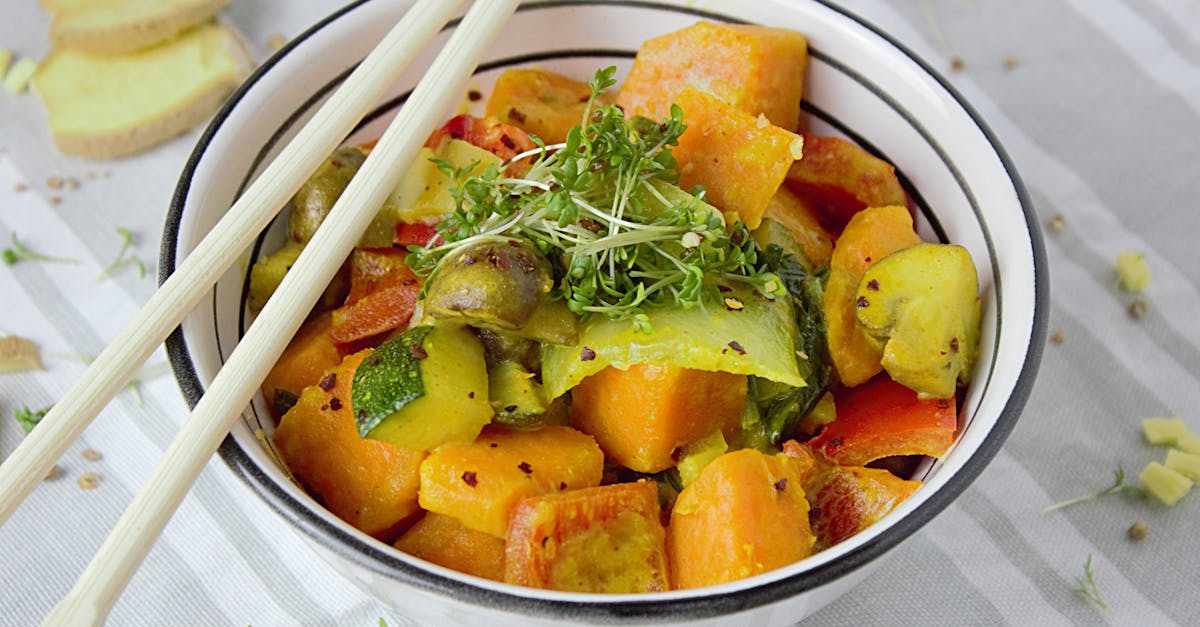
Yes - you can create fresh, plant-based lunch boxes in just ten minutes each morning. In 2023, Simply Recipes introduced 10-minute Thai-inspired stir-fry recipes that have become a go-to for busy eaters, proving fast vegan meals are possible.
"The 10-minute Thai-inspired stir-fry shows that a flavorful vegan lunch can be ready in the time it takes to brew coffee." - Simply Recipes
Meal Prep Ideas for Commuter Lunches
When I first started commuting, I realized I was spending $12-$15 every day on takeout. Planning ahead turned that expense into a pantry of balanced, nutrient-rich lunches that travel well. I begin each weekend by sketching a simple menu that hits a protein, a vegetable, and a complex carb. This blueprint ensures each meal is portable, stays fresh, and tastes better when assembled fresh in the morning.
Using mason jars or reusable containers is a game changer. I layer the jar with dressing at the bottom, followed by hearty grains, then protein, and finish with leafy greens on top. This arrangement keeps the greens from getting soggy and extends shelf life to four days. The jars also double as portion-control tools, so I never overeat.
A rotating menu of five core meals reduces decision fatigue. For example, I alternate between a quinoa-black bean bowl, a lentil-sweet potato salad, a chickpea-curry wrap, a tempeh-brown rice stir-fry, and a tofu-noodle salad. By swapping just one ingredient each week, I keep the menu fresh without extra planning.
Key Takeaways
- Plan a weekly menu to save time and money.
- Use mason jars to keep greens crisp.
- Rotate five core meals for variety.
- Label containers to track freshness.
- Batch-cook grains and proteins on weekends.
| Meal | Protein | Vegetable | Carb |
|---|---|---|---|
| Quinoa-Black Bean Bowl | Black beans | Bell peppers | Quinoa |
| Lentil-Sweet Potato Salad | Lentils | Spinach | Roasted sweet potato |
| Chickpea-Curry Wrap | Chickpeas | Carrots & peas | Whole-wheat tortilla |
| Tempeh-Brown Rice Stir-Fry | Tempeh | Broccoli | Brown rice |
| Tofu-Noodle Salad | Tofu | Cucumber | Soba noodles |
Easy Recipes for Quick Meals That Save Time
When I batch-cook staples on Sunday, I shave 20-30 minutes off my weekday routine. I start with a large pot of quinoa, a sheet pan of roasted sweet potatoes, and a skillet of seasoned chickpeas. Each of these components can sit in the fridge for up to four days, ready to be tossed into a bowl.
Quick-cook proteins like lentils and tofu are lifesavers. A cup of red lentils finishes in 15 minutes, while firm tofu only needs a brief sear to develop flavor. I keep a bag of pre-drained tofu in the freezer; once thawed, it’s ready for a stir-fry without any marinating.
Pre-washed greens are another shortcut I rely on. I buy bulk spinach and kale that arrive in vacuum-sealed bags, then transfer them to airtight containers with a paper towel to absorb excess moisture. This simple step keeps the greens crisp for the entire work week and eliminates the need for a last-minute wash.
By assembling meals with these pre-prepared components, I can create a complete lunch in under five minutes. The secret is to keep the ingredients modular: protein in one container, veg in another, and carbs in a third. When it’s time to eat, I simply combine them, add a drizzle of sauce, and I’m set.
Vegan Meal Prep Recipes for a 10-Minute Boost
I love the convenience of pre-chopped vegetables and pre-marinated tofu. Many grocery stores now stock ready-to-cook stir-fry mixes; I grab a bag of mixed bell peppers, carrots, and snap peas, and a block of tofu already seasoned with soy-ginger glaze.
The sauce is a three-ingredient hero: tamari, sesame oil, and fresh lime juice. I whisk them together in a small jar, and the flavor depth rivals a sauce that has simmered for an hour. The acidity of lime cuts through the richness of the tofu, while sesame oil adds a nutty finish.
For the carbohydrate base, I use instant brown rice. A microwave cup of rice is ready in two minutes, so the entire stir-fry can be plated in ten. I heat a wok, add a splash of oil, toss in the veg for 30 seconds, then the tofu and sauce for another 30 seconds. The result is a steaming, colorful bowl that’s ready before I grab my bag.
According to Simply Recipes, this 10-minute Thai-inspired stir-fry has become a staple for busy vegans seeking flavor without the fuss. I’ve replicated it five mornings in a row and never felt rushed.
Quick Vegan Stir-Fry for the Busy Foodie
Heat a wok for exactly one minute on high; this rapid pre-heat creates that coveted “sear” without overcooking. I then add a thin stream of oil, followed by a burst of color-rich bell peppers, carrots, and snap peas. The vegetables sizzle for about 45 seconds, staying crisp-tender.
Next, I introduce firm tofu cubes that have been tossed in a quick stir-fry paste. The paste I use contains garlic, ginger, chili flakes, and a splash of soy sauce. I stir constantly for thirty seconds, allowing the flavors to bloom and coat each piece of tofu.
To finish, I sprinkle toasted sesame seeds and chopped scallions. The sesame adds a subtle crunch, while the scallions contribute a fresh bite. I immediately portion the mixture into 20-minute stay-fresh containers that have a vented lid, keeping steam from making the veggies soggy.
This method mirrors the fast-track technique highlighted in the 9 Easy Stir-Fry Recipes article, which emphasizes speed and flavor balance. I find that a well-timed stir-fry can be the centerpiece of any commuter lunch.
Healthy Meal Prep Plans for Plant-Based Lunches
Designing a meal-prep plan starts with macro goals. I aim for 20-30 grams of protein per lunch, sourced from legumes, nuts, or seeds. For example, a cup of cooked lentils provides about 18 grams, and adding a tablespoon of pumpkin seeds tops the count.
Shopping on weekends allows me to take advantage of bulk pricing and seasonal produce. I visit the farmer’s market for fresh greens and the bulk aisle for quinoa, beans, and nuts. This approach saves up to 30 percent compared to weekday shopping.
Rotating core ingredients keeps the diet nutritionally diverse. One week I might focus on quinoa, lentils, and tempeh; the next I switch to brown rice, chickpeas, and tofu. The shift ensures I receive a broader spectrum of micronutrients like iron, calcium, and B-vitamins.
Every Sunday, I spend two hours cooking large batches, then portioning into labeled containers. The labels include the date and a quick “protein-carb-veg” code, which helps me grab the right balance without second-guessing.
By treating meal prep as a weekly project rather than a daily chore, I maintain energy levels throughout the work week and keep my grocery bill in check.
Quick Meal Prep Recipes That Won’t Disrupt Your Schedule
I always start with a dense protein source - think roasted chickpeas, marinated tempeh, or a scoop of hummus. Pair it with complex carbs like farro, barley, or sweet potato cubes. This combination keeps me full for eight to ten hours, eliminating the need for a second meal.
Resealable bags are my secret weapon for side items. I pre-portion hummus, sliced almonds, and a drizzle of vinaigrette into small zip-top bags. When it’s lunch time, I just dump the contents into my bowl, saving precious minutes.
Smart labeling is essential. I write the preparation date and a quick “use-by” reminder on each container lid with a waterproof marker. This practice prevents waste and ensures I’m eating the freshest meals possible.
Finally, I keep a “quick-add” list on my fridge: extra cucumber slices, cherry tomatoes, or a handful of sprouts. If I’m running late, I can boost any bowl with these fresh items in under a minute.
Glossary
- Macro goals: Target amounts of protein, carbohydrates, and fats for a meal.
- Complex carbs: Starches that digest slowly, providing steady energy.
- Ventilated lid: A container lid with a small opening to release steam.
Common Mistakes
- Skipping the cooling step before sealing containers, leading to soggy food.
- Overcrowding the wok, which causes vegetables to steam instead of stir-fry.
- Forgetting to label dates, resulting in food waste.
Frequently Asked Questions
Q: How can I keep my salad greens crisp for four days?
A: Store greens in an airtight container with a paper towel to absorb excess moisture. Keep the container in the fridge’s crisper drawer and avoid washing them until you’re ready to eat. This method can keep leaves fresh for up to four days.
Q: What is the fastest way to cook quinoa for meal prep?
A: Rinse quinoa, then combine one part quinoa with two parts water. Bring to a boil, cover, and simmer for 12 minutes. Let it sit off the heat for five minutes, then fluff. It’s ready in under 20 minutes and perfect for batch cooking.
Q: Can I use the same sauce for different stir-fry recipes?
A: Yes. A versatile sauce of tamari, sesame oil, lime juice, and a pinch of chili works well with tofu, tempeh, or any vegetable mix. Make a larger batch and store it in a squeeze bottle for quick access.
Q: How do I prevent my stir-fry from getting soggy in the container?
A: Cool the stir-fry for a few minutes before sealing, and use containers with vented lids. This lets steam escape and keeps the vegetables crisp until you reheat.
Q: What are budget-friendly protein options for vegan meal prep?
A: Canned beans, lentils, chickpeas, and tofu are inexpensive yet protein-dense. Buying them in bulk or on sale can further reduce costs, making them ideal for weekly meal prep.